
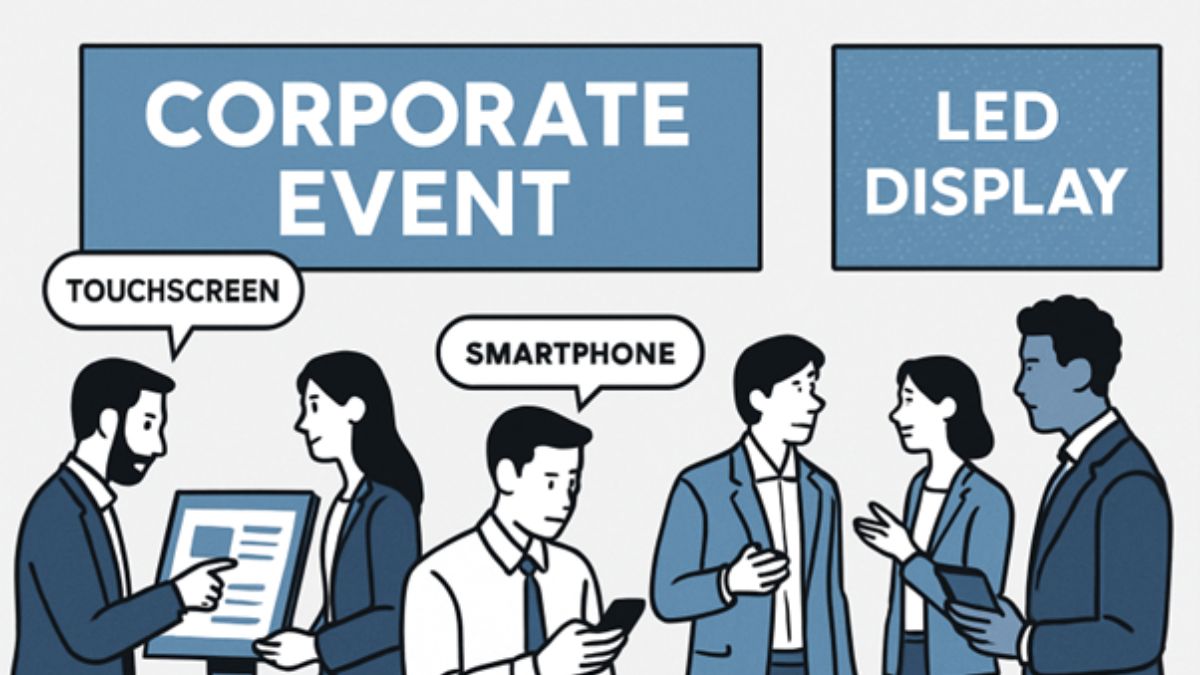
Technology is redefining the landscape of corporate events, transforming them into powerful experiences that foster connection, learning, and innovation. By leveraging digital tools and platforms, companies are creating interactive, memorable, and highly engaging events. Whether it is through intelligent personalization or immersive displays, these advancements ensure every moment counts for both attendees and organizers. Integrating technology with elements like event entertainment can completely redefine an event’s energy and ROI, providing a seamless blend of information, fun, and networking opportunities.
Today’s corporate events are more than just meetings. They serve as platforms for brand storytelling, employee motivation, and strategic networking, with technology at the heart of their evolution. Embracing digital solutions not only streamlines logistics but also personalizes experiences to a level previously unimaginable. As event tech continues to mature, event planners are empowered to curate dynamic, impactful experiences tailored to an ever-diverse audience.
AI-Powered Personalization
Artificial Intelligence (AI) has brought personalization in corporate events to an entirely new level. By analyzing attendee registration data, past interaction patterns, and individual preferences, AI-driven tools recommend breakout sessions, suggest relevant networking opportunities, and send personalized content directly to each attendee. This results in highly tailored event journeys that maximize satisfaction and keep audiences engaged throughout. The adoption of AI not only strengthens relationships with guests but also increases their likelihood of participating in future events.
Augmented and Virtual Reality Experiences
AR and VR technologies are unlocking boundless creative potential in event design. Businesses are utilizing AR overlays for interactive demos, product visualizations, and branded scavenger hunts onsite. VR, on the other hand, can transport attendees to simulated environments, such as custom virtual venues where all participants can gather regardless of physical location. These innovations are helping brands deliver deeper engagement and create moments that resonate long after the event concludes.
Event Apps for Engagement and Logistics
Event apps have become indispensable in managing the modern event ecosystem. They function as interactive guides, putting personalized schedules, venue maps, and live updates right in every guest’s hand. Attendees can use these apps for real-time Q&A, submitting feedback, or participating in polls, increasing their sense of involvement. Organizers, meanwhile, gain powerful tools for logistics management, attendee tracking, and instant communication. Event apps bridge the gap between the digital and physical worlds, making every touchpoint smooth and efficient.
LED Walls and Immersive Stage Design
Stunning visual storytelling is more important than ever, and LED displays and creative stage setups are leading the charge. Massive, high-resolution LED walls turn stages into immersive canvases, providing vibrant backdrops for speakers and performers. Dynamic lighting, interactive elements, and synchronization with live and digital content create an all-encompassing audio-visual experience that wows participants and keeps them engaged. As organizations increasingly focus on brand immersion, these technologies ensure that the environment itself becomes a key part of the narrative.
Data Analytics for Continuous Improvement
One of the greatest advantages brought by technology is the ability to measure and improve events in real time. Event platforms now offer robust analytics dashboards that track metrics such as session attendance, audience engagement scores, and completion rates for feedback forms. Event organizers can quickly identify which sessions resonated most and where attendee interest dipped. This data-driven approach enables targeted improvements in each new event cycle and provides corporate leaders with valuable insights into employee or client priorities.
Hybrid and Virtual Event Platforms
The expansion of hybrid and virtual formats has transformed the accessibility and scale of corporate events. These platforms allow both in-person and remote participants to fully engage with content, speakers, and each other, regardless of location. Features such as live streaming, moderated chat, interactive networking lounges, and on-demand content ensure that no one misses out on the experience. Hybrid technology also offers contingency planning for unforeseen disruptions, making corporate gatherings more resilient and agile.
RFID Technology for Seamless Interaction
RFID technology is streamlining processes and enhancing safety at events. Attendees receive RFID-enabled badges or wristbands, which enable contactless check-ins, secure access to specific zones, and even cashless purchases at vendor stalls. These technologies can also facilitate smarter networking by automatically logging interactions, helping attendees remember new contacts and follow up after the event. For organizers, RFID delivers real-time attendance analytics, reducing bottlenecks and optimizing flows across the venue.
Conclusion
Corporate events powered by modern technology are more engaging, data-driven, and globally accessible than ever before. By blending digital and physical experiences with tools such as AI, AR/VR, interactive apps, LED storytelling, data analytics, hybrid platforms, and RFID, companies can deliver events that not only inform but also truly inspire. Staying ahead in the corporate landscape requires embracing these innovations to ensure every event leaves a lasting impact and sets the standard for connected, high-value gatherings.