
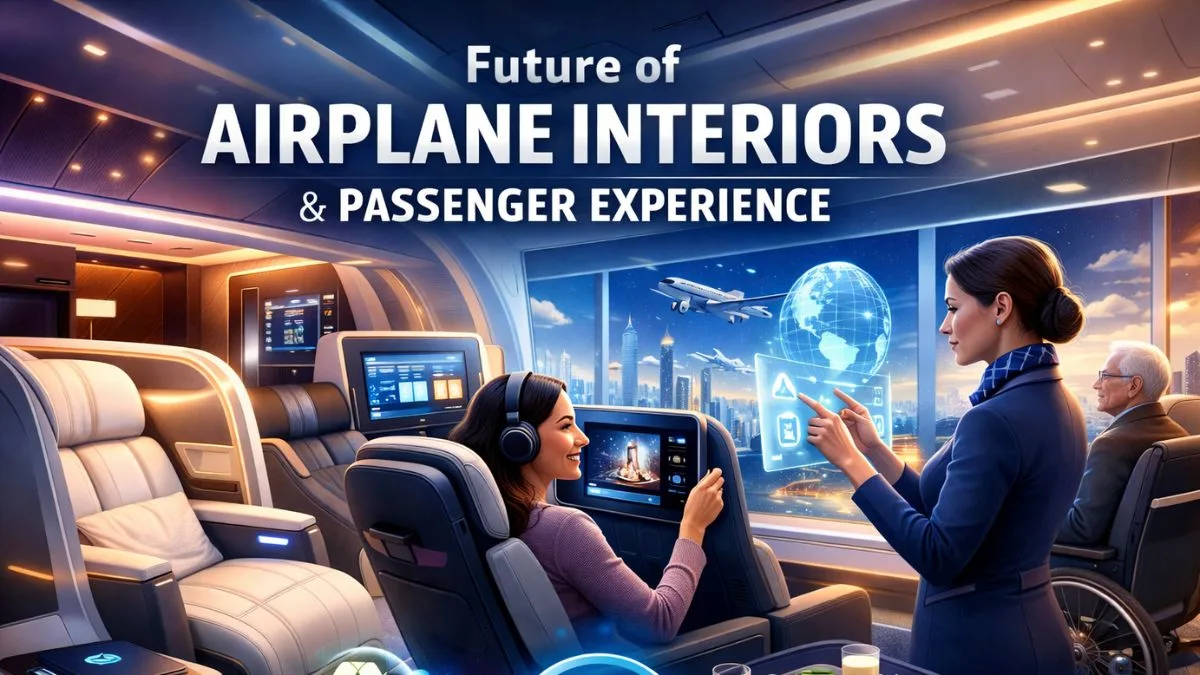
In today’s competitive aviation industry, airlines are no longer judged solely by their punctuality or ticket prices. The real differentiator lies inside the aircraft—where comfort, design, and passenger experience take center stage. This is exactly where JETLINER CABINS steps in, offering a fresh, insightful perspective on how airplane interiors are shaping the future of air travel.
🌍 What Is JETLINER CABINS All About?
JETLINER CABINS is a dedicated aviation platform that explores the art and science behind airplane interior design. From luxurious first-class suites to smart economy seating solutions, the website dives deep into how aircraft cabins are evolving to meet modern traveler expectations.
Rather than focusing only on aviation news, it highlights:
- Cabin architecture and layout innovations
- Passenger comfort and ergonomics
- Airline branding through interior design
- Emerging technologies in inflight experience
It’s a niche yet powerful resource for aviation enthusiasts, designers, engineers, and frequent travelers alike.
🛫 Why Airplane Cabin Design Matters More Than Ever
Air travel has changed dramatically over the years. Today’s passengers expect more than just a seat—they want an experience.
✨ Comfort Drives Customer Loyalty
From legroom to seat cushioning, every design element impacts passenger satisfaction. A well-designed cabin can turn a long-haul flight into a pleasant journey.
🎯 Branding Through Interiors
Airlines use cabin design as a branding tool. Colors, lighting, and materials reflect an airline’s identity and values.
💡 Technology Integration
Modern cabins are becoming smarter, featuring:
- Personal entertainment systems
- Ambient lighting
- USB charging and wireless connectivity
- Noise reduction features
JETLINER CABINS highlights how these elements come together seamlessly.
🎨 Exploring the World of Aircraft Interior Design
One of the most fascinating aspects covered by JETLINER CABINS is the creative side of aviation.
🪑 Seating Innovation
The platform explores how airlines maximize space without compromising comfort. From lie-flat beds in business class to ergonomic economy seats, design is constantly evolving.
💺 Space Optimization
Aircraft cabins are limited spaces, yet designers manage to create:
- Private suites
- Social lounge areas
- Efficient storage solutions
🌈 Lighting & Mood Enhancement
Lighting plays a crucial role in reducing jet lag and improving passenger mood. JETLINER CABINS showcases how airlines use LED systems to simulate natural light cycles.
🧳 Passenger Experience: The Heart of Aviation
At its core, JETLINER CABINS is about enhancing the passenger journey.
😊 Emotional Comfort
Travel can be stressful. Thoughtful cabin design—quiet zones, better airflow, and comfortable seating—helps reduce anxiety.
🍽️ Inflight Lifestyle
Cabin design even influences how passengers eat, sleep, and relax during flights.
🌐 Accessibility & Inclusivity
Modern aircraft interiors are becoming more inclusive, catering to passengers with different needs and abilities.
🚀 The Future of Jetliner Cabins
The aviation world is entering a new era, and JETLINER CABINS keeps readers ahead of the curve.
🔮 What’s Coming Next?
- Sustainable materials for eco-friendly cabins
- Touchless technology for hygiene and convenience
- AI-powered personalization of passenger experience
- Modular cabin layouts for flexibility
These innovations will redefine how we think about flying.
📚 Why You Should Follow JETLINER CABINS
Whether you’re an aviation enthusiast, a frequent flyer, or someone interested in design and technology, JETLINER CABINS offers valuable insights you won’t easily find elsewhere.
✔️ Key Benefits:
- In-depth analysis of cabin trends
- Expert perspectives on aviation design
- Inspiration for designers and engineers
- Better understanding of airline experiences
✈️ Final Thoughts
Airplane interiors are no longer just functional spaces—they are carefully crafted environments designed to enhance every moment of a journey. JETLINER CABINS stands at the intersection of design, technology, and passenger comfort, making it an essential platform in modern aviation storytelling.
As airlines continue to innovate, one thing is clear: the future of flying will be defined not just by where you go, but by how you feel getting there.