
Demolition might look simple—just knock down a structure and haul everything away. But in reality, demolishing a building is a highly regulated, carefully planned process that prioritizes safety, environmental responsibility, and precision. Whether you’re clearing land for new construction, removing an unsafe structure, or renovating a space, understanding the essential steps behind demolition services can help you make smart decisions and avoid unnecessary delays or hazards.
Here’s a detailed breakdown of what goes into a safe and successful demolition project.
Step 1: Conducting a Site Assessment
Every successful demolition project begins with a thorough site assessment. Professionals evaluate the building’s structure, surrounding areas, and any potential safety concerns.
Key parts of a site assessment include:
- Identifying structural weaknesses
- Assessing proximity to nearby buildings or utilities
- Determining the safest demolition method
The goal is to understand what challenges the demolition could present before any physical work begins. Proper assessment ensures the team knows how to approach the structure efficiently and safely.
Step 2: Obtaining Permits and Compliance Approvals
Demolition requires legal permission, and permits vary based on local regulations. Failing to obtain proper approvals can halt the project or result in fines.
A reputable demolition service handles:
- Permit applications
- Utility notifications
- Scheduling inspections
Permits confirm that electrical, water, and gas connections are safely disconnected and that the demolition complies with municipal safety and environmental guidelines.
Step 3: Hazardous Material Inspection and Removal
Older buildings often contain hazardous materials such as asbestos, lead paint, mold, or chemical contaminants. These materials must be identified and properly removed before demolition begins.
Why this step matters:
- Prevents exposure to harmful substances
- Ensures compliance with environmental laws
- Protects workers and nearby residents
Certified abatement specialists handle testing and removal to make the site safe for demolition work.
Step 4: Choosing the Right Demolition Method
Demolition isn’t a one-size-fits-all process. The method depends on the structure type, project goals, and surrounding environment.
Common demolition methods include:
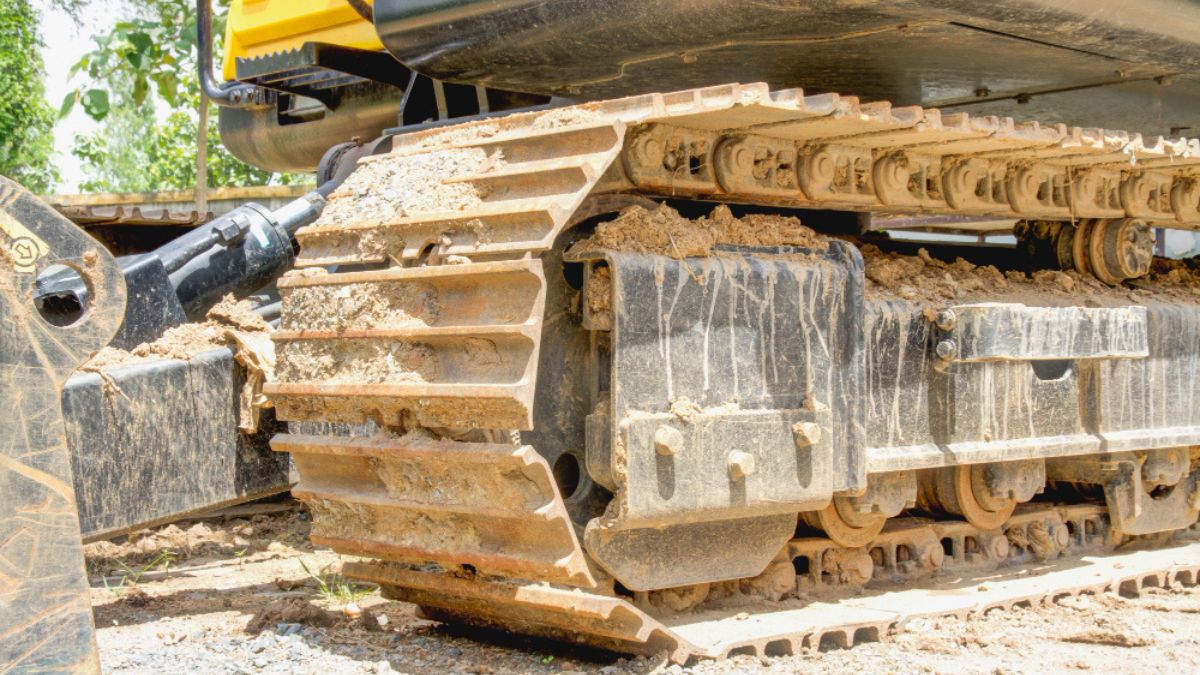
- Mechanical Demolition: Using heavy machinery like excavators or bulldozers.
- Deconstruction: Taking the structure apart piece by piece to salvage materials.
- Implosion: Using explosives to bring down large buildings (less common and highly specialized).
Mechanical demolition is the fastest and most common, but deconstruction is an excellent option for environmentally conscious projects since it allows materials to be reused or recycled.
Step 5: Preparing the Site and Securing the Area
Once the demolition plan is established, the site must be prepared. This includes:
- Disconnecting utilities (water, gas, electricity)
- Installing fencing and safety barriers
- Posting signage to keep unauthorized people out
- Creating waste management and hauling plans
A properly secured site prevents accidents and ensures that the demolition area is controlled and safe.
Step 6: Executing the Demolition
When it’s time to bring down the structure, it’s done strategically—following the plan developed in earlier steps. The demolition team works systematically, coordinating every action to ensure efficiency and safety.
During this phase, trained professionals:
- Operate heavy equipment or explosive charges
- Monitor dust and debris
- Communicate continuously using safety protocols
Safety supervisors remain on-site to watch for risks and ensure everything proceeds smoothly.
Step 7: Handling Waste Removal and Cleanup
Once the structure has been demolished, the focus shifts to clearing out the debris. Demolition crews sort the materials into designated groups such as concrete, metal, wood, and other recyclables. Many companies today prioritize environmentally responsible practices, ensuring as much material as possible is recycled rather than sent to landfills.
In many cases—especially here in Utah—dump trailers are used to efficiently haul away debris and transport recyclable items to the proper facilities. After the material is removed and the site has been cleared, the team levels and stabilizes the ground, preparing it for future construction or development.
Final Thoughts: A Safer Process Starts With the Right Team
Demolition may be the start of something new—whether it’s a renovation or brand-new construction—but it must be done responsibly. From site assessment and permit approvals to hazardous material removal and safe execution, each step plays a key role in protecting workers, property, and the environment.
Choosing a demolition service isn’t just about finding someone with the right equipment—it’s about selecting a team that prioritizes safety, legal compliance, and efficiency. With the right professionals and a clear plan, demolition can be the smoothest phase of your project.
If you’re considering a demolition project, start with a consultation. A knowledgeable demolition contractor will walk you through every step, ensuring a safe and successful outcome.