
Gas furnaces are designed to provide reliable warmth through controlled combustion, but that same process is why safety inspections matter. Unlike many household appliances, a furnace operates on natural gas, uses flame ignition, has hot surfaces, and includes venting systems that carry combustion byproducts out of the home. When everything is functioning correctly, the furnace runs quietly and safely. When something drifts out of alignment—such as a cracked heat exchanger, a blocked flue, a failing sensor, or poor burner combustion—the risk increases, even if the system still produces heat. Many homeowners focus solely on temperature output, but a furnace can still heat the home while operating in unsafe conditions. Heating services for gas furnace safety inspections are meant to detect these problems early, before they become emergencies. Inspections also reduce the risk of sudden shutdowns during cold weather, as safety controls often respond to unsafe conditions by locking out the system. A professional safety inspection gives homeowners confidence that the heating system is stable, the ventilation is clear, and the furnace is not creating hidden hazards inside the home. This type of service is not about exaggerating risk—it is about confirming that all safety systems and combustion components are functioning as intended.
What Safety Inspections Include
How Technicians Begin a Furnace Safety Inspection
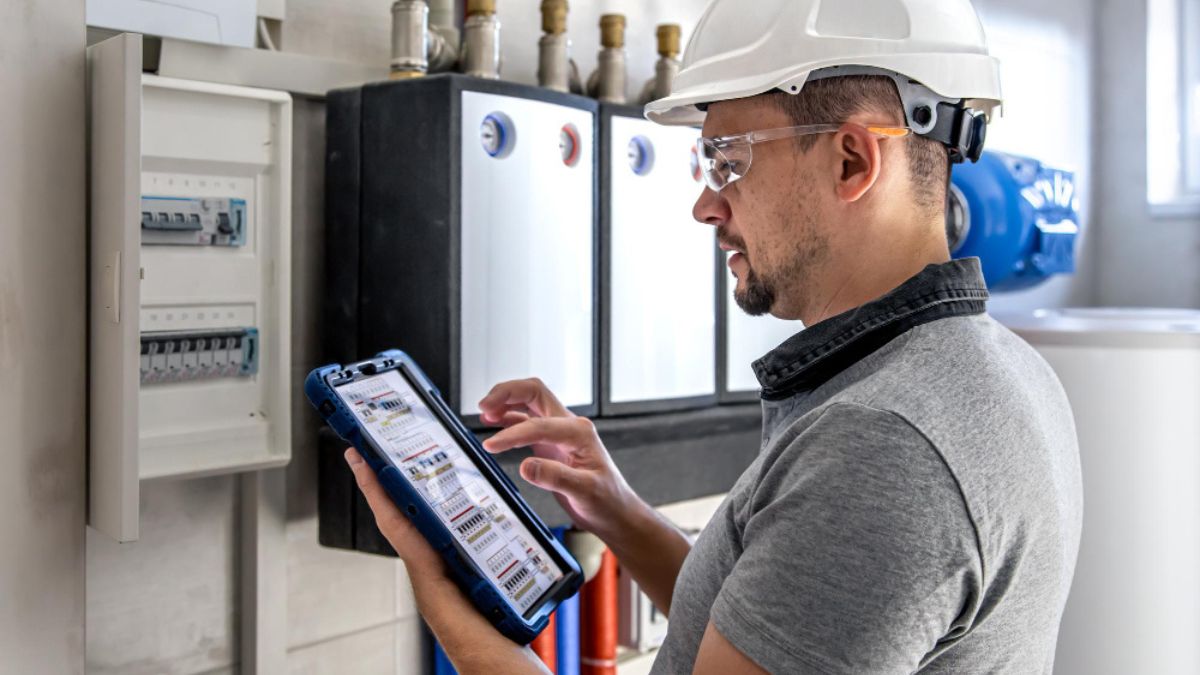
A safety inspection begins with observation, measurement, and controlled testing. Technicians typically begin by confirming basic furnace operation and listening for startup sounds indicating delayed ignition or uneven combustion. They inspect the furnace cabinet, burner area, and wiring condition to identify visible signs of overheating, corrosion, or soot. One major step is to check the air filter and return airflow, as poor airflow can cause overheating in the furnace and shorten component life. During this process, contractors also verify thermostat communication and cycle timing to ensure the system is not short-cycling or shutting off abnormally. A Heating contractor will often document system readings early in the inspection because the safety evaluation depends on comparing normal operating values with what the furnace is actually producing under real operating conditions. This first stage of inspection sets the foundation for deeper checks of combustion performance, venting function, and safety controls.
Combustion Checks and Flame Behavior Testing
Combustion quality determines whether a furnace is burning fuel cleanly and safely. Inspectors evaluate burner flames for consistent color and stable shape. Yellow, wavering, or lifting flames can indicate incomplete combustion, dirty burners, airflow imbalance, or fuel delivery issues. These problems may lead to soot buildup and unsafe combustion byproducts. Technicians also check the flame sensor, igniter condition, and burner alignment, as ignition instability can cause repeated misfires or delayed ignition. Proper ignition reduces stress on the heat exchanger and prevents sudden flame rollouts. Contractors may also measure gas pressure and confirm that fuel input matches the furnace rating. These combustion checks are critical because they reveal safety issues that homeowners cannot detect by simply feeling warm air coming from the vents.
Verification Without Panic
A furnace inspection is about confirmation, not fear. Technicians inspect combustion, venting, and safety controls to ensure the furnace operates safely and does not pose hidden risks inside the home.
Heat Exchanger Inspection and Carbon Monoxide Risk Prevention
The heat exchanger is one of the most important safety components in a gas furnace. It separates combustion gases from the air that circulates through the home. If the heat exchanger develops cracks, gaps, or corrosion, combustion byproducts can enter the indoor airflow. Technicians inspect the heat exchanger visually and, when necessary, with specialized inspection tools. They look for signs of overheating, metal fatigue, and stress points caused by repeated temperature cycling. In many safety inspections, carbon monoxide testing is conducted to confirm that combustion gases do not leak into living spaces. Even if CO is not detected during inspection, a damaged heat exchanger remains a serious concern because conditions can worsen as the furnace runs longer in colder weather. Confirming the condition of the heat exchanger is one of the most valuable parts of a professional safety inspection.
Venting System and Draft Performance Testing
A furnace must vent combustion gases properly. The venting system includes exhaust piping, draft mechanisms, and termination points outside the home. If venting becomes blocked by debris, bird nests, snow buildup, or damaged piping, combustion gases may backdraft into the home. Technicians inspect flue pipes for corrosion, disconnections, and improper slope, which can trap condensation. They also check draft performance to ensure gases move outward as designed. Modern systems may include pressure switches that detect venting issues, and these safety controls must function correctly to shut the furnace down when draft conditions become unsafe. Venting inspections also include verifying that the combustion air supply is adequate, as a furnace requires an adequate oxygen supply to burn fuel cleanly. Venting is not simply a “pipe check”—it is a full safety system that must operate correctly every time the furnace runs.
Safety Controls, Sensors, and Limit Switch Testing
Gas furnaces rely on multiple safety controls that prevent dangerous operation. These include high-limit switches that shut down burners if temperatures rise too high, flame rollout switches that detect unsafe flame movement, and pressure switches that confirm venting conditions. Technicians test these components to ensure they respond correctly. Safety controls can wear out or become unreliable over time, creating risk because the furnace may not shut down when it should. A proper inspection includes checking electrical connections, sensor cleanliness, and control response timing. Contractors also inspect the blower system because weak airflow can trigger overheating. If a blower motor fails, the furnace may reach unsafe internal temperatures more quickly than expected. These checks confirm that the furnace can protect itself and the home if operating conditions change unexpectedly.
Documentation and Homeowner Guidance After Inspection
After inspection, heating professionals typically provide a summary of the items checked and the findings. This may include combustion results, venting conditions, heat exchanger observations, and safety control testing outcomes. Contractors may also advise on filter replacement schedules, airflow improvements, or minor adjustments that reduce safety risk. Some safety issues require immediate correction, while others may be monitored with future inspections depending on severity. This documentation helps homeowners understand the furnace’s condition and make informed decisions. A safety inspection is most useful when it results in clear information rather than vague recommendations.
Safety Inspections Protect Comfort and Health
Heating services for gas furnace safety inspections provide peace of mind by confirming that combustion, venting, and safety controls are functioning correctly. These inspections go beyond basic heating output and focus on conditions that can lead to hidden hazards, such as carbon monoxide exposure, flame rollout, overheating, and venting failures. By identifying issues early, homeowners reduce the risk of emergency shutdowns during winter and keep their furnace operating in stable conditions. A safety inspection is not an extra step—it is part of responsible furnace ownership and helps protect both comfort and household well-being.