
Key Takeaways
- Digital transformation leverages technologies like AI and cloud computing to optimize telecom expense management.
- Implementing advanced tools can lead to significant cost savings and improved operational efficiency.
- Adopting a strategic approach to digital transformation is crucial for successful telecom expense management.
Modern organizations face mounting challenges in controlling telecom costs as networks grow in size and complexity. As communication infrastructure expands into cloud, mobile, and IoT, the need for effective telecom expense management becomes more urgent. Digital transformation is at the heart of overcoming these challenges, introducing technologies that enhance accuracy, reduce manual processes, and provide actionable insights.
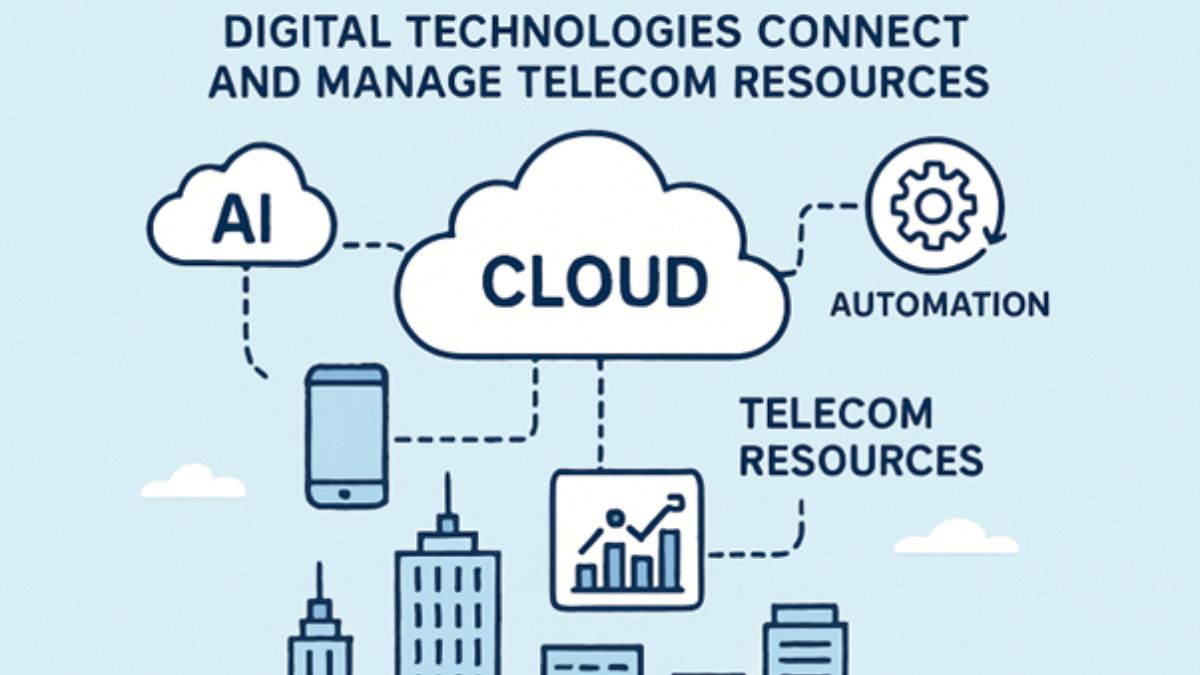
By adopting advanced solutions such as artificial intelligence (AI), automation, and cloud computing, businesses can gain real-time oversight of their telecom expenditures. This not only decreases overhead but also ensures every dollar is strategically invested. The result is a powerful combination of visibility, agility, and efficiency, three pillars essential for thriving in today’s digital landscape.
Companies that use digital transformation in telecom expense management benefit from improved contract compliance, faster anomaly detection, and the ability to scale cost management operations alongside business growth. As new solutions emerge, staying informed and agile is essential for maximizing ROI and strengthening financial health.
Technology leaders must guide their teams through adopting new platforms and processes, while also considering evolving security and integration requirements. The right approach not only improves telecom expense governance but also aligns telecom management with broader business goals, reinforcing competitive advantages in a dynamic digital era.
Introduction
Telecom expense management (TEM) is the practice of overseeing a company’s telecommunications expenditure, including mobile, voice, data, and cloud communication services. Traditional systems often rely on manual reviews, decentralized data, and outdated reporting, making it increasingly difficult to achieve efficiency, accuracy, and savings. As digital demands evolve, so must the methods for managing expenses, and that’s where digital transformation comes into play.
The Role of AI in Telecom Expense Management
AI is redefining how enterprises approach TEM. By analyzing usage data, billing patterns, and contract terms, AI can detect billing errors and unused resources and negotiate contract renewals more effectively. Predictive analytics help forecast spend trends, enabling businesses to anticipate needs and avoid overages or underutilizations. For example, AI can instantly spot unusual spikes in data usage or unauthorized services, prompting immediate corrective action and reducing financial leakage.
Cloud Computing and Cost Optimization
Cloud computing platforms offer a scalable, centralized environment for managing telecom expenditures, making it easier to align IT resources with business demand. By storing data, invoices, and analytics in the cloud, organizations can seamlessly access up-to-date information and implement real-time cost-saving tactics. Cloud-based TEM also minimizes the need for on-premise infrastructure, resulting in lower maintenance costs and higher adaptability as business operations change. Moreover, cloud tools enhance disaster recovery and security, critical factors for modern enterprises managing sensitive communication data.
Automation: Enhancing Efficiency
Automation eliminates labor-intensive processes that are prone to human error, such as manual invoice entry, service verification, and contract compliance checks. By integrating robotic process automation (RPA), companies can speed up and standardize these repetitive tasks, ensuring timely payments and reducing the risk of paying for inaccurate charges. Automation improves operational efficiency, liberating staff to focus on strategic work rather than administrative burdens, and ensures the scalability needed for fast-growing organizations. A McKinsey report highlights how automation initiatives can drive significant cost savings and transform telecom operations.
Data Analytics for Informed Decisions
Modern TEM platforms harness big data analytics to provide actionable insights into telecom usage and spending. Managers can identify trends in device utilization, optimize calling or data plans, and benchmark vendor contracts to industry standards. Real-time reporting dashboards ensure decision-makers have up-to-date visibility, promoting smarter resource allocation and rapid responses to emerging inefficiencies. Data-driven TEM strategies also enhance forecasting accuracy and facilitate continuous process improvements, empowering organizations to evolve alongside changing technology ecosystems.
Implementing Digital Transformation Strategies
Successful digital transformation in TEM doesn’t happen by accident it requires a thoughtful, phased approach:
- Conduct a comprehensive audit of all telecom contracts, invoices, and usage patterns to establish baseline data.
- Select AI, automation, and cloud solutions tailored to specific business needs, and ensure vendor support for rapid onboarding.
- Build in continuous learning by training staff on both new systems and interpreting the wealth of new analytics.
- Regularly track KPIs, review process effectiveness, and adjust strategies as technology and business objectives evolve.
Challenges and Solutions
Despite the significant benefits, digital transformation in TEM is not without obstacles. Data security remains a priority as sensitive billing and usage information transitions to new platforms. Businesses must implement strong cybersecurity policies, encryption, and multifactor authentication across all systems. Integration complexity is another barrier, as new platforms need to connect seamlessly with legacy IT infrastructure. This can be managed by working closely with vendors and IT specialists to ensure a smooth data migration. Finally, staff resistance can hinder adoption; training, communication, and elevating digital literacy throughout the organization help foster a culture that embraces innovation and continuous improvement.
Conclusion
Digital transformation is a critical enabler of next-level telecom expense management. Organizations that embrace AI, cloud adoption, automation, and data analytics don’t just save money; they also gain agility, reduce risk, and a foundation for sustained growth. The path forward requires leadership, strategic investment, and a commitment to ongoing innovation, but the payoff is clear: streamlined operations and a telecom landscape where every dollar counts.