
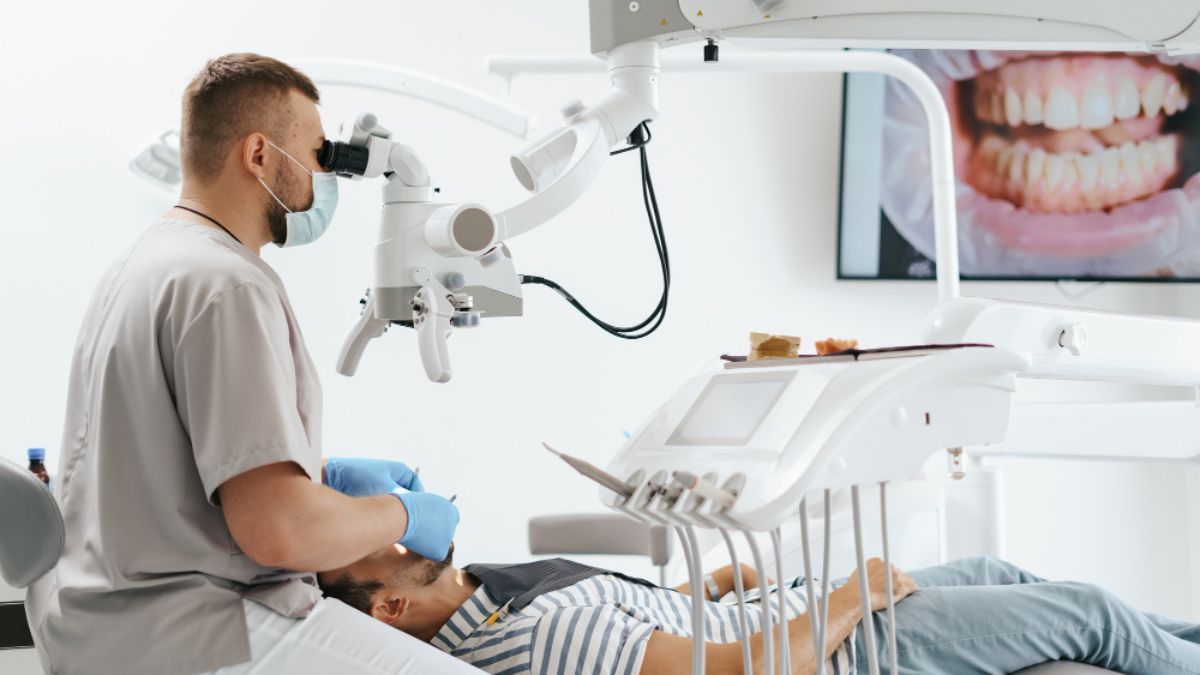
Understanding the Importance of Regular Dental Care
Regular dental care is an essential component of maintaining overall health and well-being. It goes beyond simply having a bright smile; it also affects your ability to chew, speak, and stay free of dental pain or infection. Visiting the dentist not only helps keep your teeth and gums healthy, but it also plays a significant role in detecting problems early before they become more advanced and costly. Dentists are trained to spot indications of oral cancer, hidden cavities, and underlying gum disease during routine checkups—conditions that may otherwise go unnoticed. Taking proactive steps can reduce the risk of severe health conditions linked to poor oral hygiene, such as heart disease and diabetes, as bacteria from the mouth can enter the bloodstream and contribute to systemic inflammation. Adequate dental care can have a positive ripple effect throughout your entire body, supporting your immune system and helping to prevent future discomfort or expense. If you’re beginning your search for a new dental provider, it’s helpful to find a dentist that is in your network through your dental insurance provider’s resources, which often feature search tools and detailed listings to simplify your research.
According to the American Dental Association, how often you should visit a dentist depends on your individual needs and risk factors. For some, scheduling a dental checkup twice a year may suffice, providing a preventive strategy and peace of mind. However, others, especially those with chronic health issues such as diabetes, a history of frequent cavities, or ongoing orthodontic work, may require more frequent care to avoid complications.
Identifying Your Dental Care Requirements
Assessing your own oral health needs is a critical step before choosing a provider. Start by reflecting on your past dental experiences, current symptoms, and desired outcomes for your smile. Consider whether you need basic preventive care, such as regular cleanings and exams for cavities and gum disease, or specialized treatment for issues like orthodontics, periodontics, or cosmetic dentistry, such as teeth whitening or veneers. Family history, lifestyle habits such as smoking, dietary choices, and underlying health conditions like acid reflux or autoimmune diseases can all shape the type of dental care you need. For example, if you have a history of gum disease, it’s essential to seek a provider with expertise in periodontal care.
In contrast, those with dental anxiety might prioritize finding an office that offers sedation dentistry or emphasizes patient comfort. Likewise, if you or your children wear orthodontic appliances, you may benefit from seeing a specialist or visiting a dentist more regularly to monitor progress and head off potential complications before they escalate. You can learn more about common oral health issues and their management on MedlinePlus.
Understanding your dental priorities will help you narrow your choices to dental offices that offer the specific services and expertise you require. This initial self-assessment streamlines your search, making it easier to identify suitable providers and avoid extra appointments with the wrong type of practitioner. Additionally, coming prepared with a clear set of priorities will make conversations with potential providers more productive and focused, saving time and improving outcomes.
Evaluating Credentials and Experience
For each dentist you are considering, investigate their educational background, professional affiliations, and years of experience. Top providers often attend reputable dental schools and participate in ongoing continuing education programs to stay current on new technologies and care approaches. Many dental offices share provider credentials and continuing education achievements on their websites or in-office literature, providing transparency and helping you evaluate a provider’s level of expertise. These memberships may involve meeting particular ethical and clinical standards, providing you with extra reassurance.
Don’t hesitate to call dental offices directly to inquire about credentials, specialties, and the procedures they commonly perform. Many offices are happy to answer questions or provide written information about complex treatments or advanced technology they use, such as digital X-rays or laser dentistry. Requesting this information can help you make an informed choice based on your oral health needs and ensure that you feel comfortable and confident in your selection.
Considering Logistics and Accessibility
Practical factors—including office location, hours of operation, and accessibility features—play a significant role in selecting the right dentist. A conveniently located practice with flexible hours will make it easier to keep up with regular appointments, especially if you have a busy schedule or rely on public transportation. For individuals with mobility challenges, check whether the dental office offers amenities such as wheelchair ramps, elevator access, or specialized seating. These logistical considerations can make a substantial difference in your ability to access timely, high-quality care and in your overall satisfaction with the experience. Some offices now offer extended evening or weekend hours, emergency services, and family-friendly environments, so think carefully about what’s most convenient for you.
Reviewing Patient Feedback
Patient reviews and testimonials can offer valuable perspectives on the level of care and service you can expect. Look for recurring themes in online reviews about the dentist’s bedside manner, office cleanliness, staff friendliness, appointment wait times, professionalism, and the overall success of treatments. Positive reviews about effective pain management, thorough explanations, and gentleness can be reassuring, while recurring complaints about rushed appointments or dissatisfaction with results may warrant caution. Consistently positive (or negative) feedback may reveal key aspects of the patient experience that are otherwise difficult to assess in advance. Consider the recency and context of reviews, and remember that even the best providers may have occasional negative feedback. While online reviews should not be your sole source of information, they can round out the picture as you compare different providers and decide where you will feel most at ease.
Understanding Financial Considerations
Before scheduling treatment, verify whether the dental office accepts your insurance and clarify costs associated with routine care, preventive procedures, and any specialized services you may require. Many dental practices are transparent about their fee schedules and will provide estimates upon request, enabling you to budget and avoid surprise expenses. Some dental offices offer payment plans, financing options, or discounts for self-pay patients, making dental care more accessible and affordable for those without comprehensive insurance coverage. Being upfront about your financial situation can lead to better, more flexible arrangements and might prevent postponement or neglect of necessary treatments. Don’t be afraid to ask questions about billing policies, insurance claims, and any interest-free financing options available for larger treatment plans, such as orthodontics or dental implants.
Scheduling a Preliminary Visit
Scheduling an initial consultation provides a chance to meet the dental team, tour the facilities, and ask questions directly about procedures and protocols. This initial visit also gives you the opportunity to observe the office’s atmosphere, including its cleanliness, organization, and general ambiance. Pay close attention to the staff’s professionalism, as friendly, respectful team members can make a big difference, especially if you’re anxious or have special needs. Take note of how the dentist communicates: Are your questions answered clearly? Do you feel pressured, or does the provider take time to address your concerns? Feeling at ease is essential for developing a long-lasting, positive patient-provider relationship, and the correct early impressions can set the foundation for years of quality dental care.
Conclusion
Careful research and thoughtful selection will help you find a dentist who meets your clinical needs. Prioritizing factors such as professional qualifications, convenience, patient feedback, and transparent financial policies ensures your oral health remains in good hands. Choosing the right provider helps you maintain your best smile and safeguards your health, confidence, and overall well-being. Committing to consistent, high-quality dental care is an investment in your overall well-being for years to come, and by taking these steps, you are already prioritizing a healthier, happier future.