
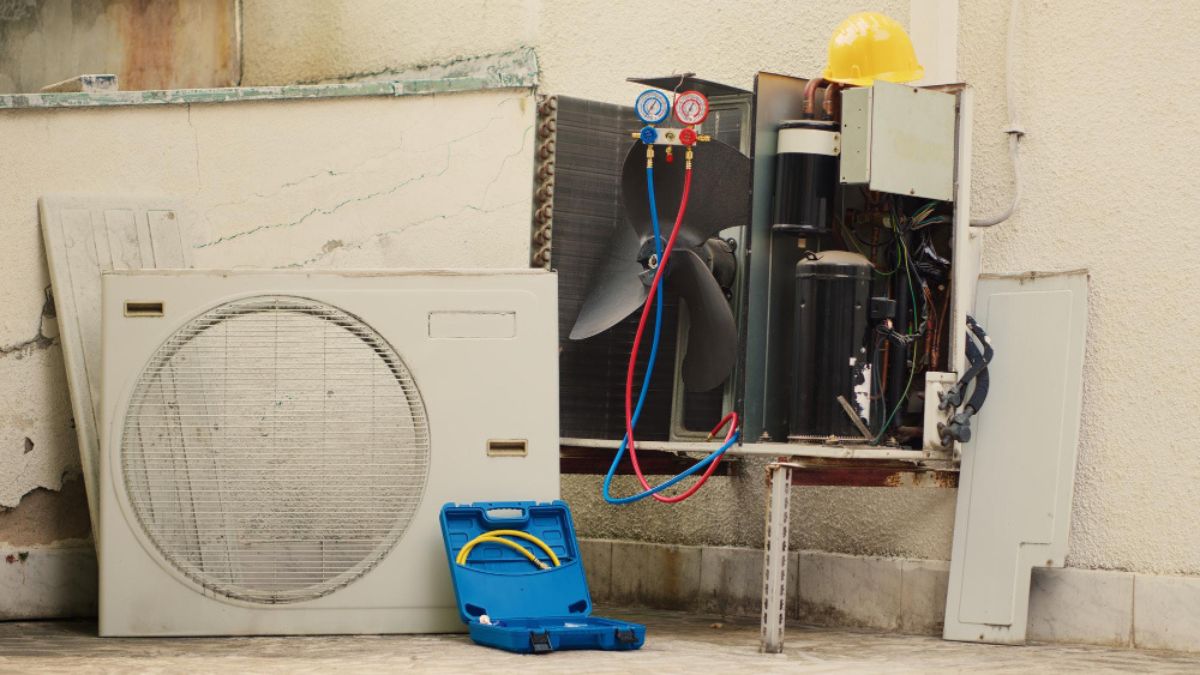
When an HVAC system breaks down, most homeowners focus on one goal: getting heating or cooling restored as quickly as possible. However, restoring operation is not the same as confirming full performance. A system can turn on, blow air, and still deliver weak comfort, uneven temperatures, or higher energy use if underlying issues remain. That is why HVAC repair services should include performance testing after repairs are completed. Testing verifies that the repair resolved the original complaint and confirms that the system is operating within acceptable ranges. This includes checking airflow, temperature split, refrigerant performance, electrical stability, and system cycle behavior. Without testing, small mistakes or unaddressed restrictions can remain hidden until they trigger another failure. Performance testing also protects homeowners from repeated service calls by confirming the system is stable before the technician leaves. This process is especially important for major repairs, including motor replacement, capacitor changes, refrigerant corrections, control board repairs, and duct-related adjustments. A professional post-repair test transforms a repair from “it runs now” into “it runs correctly.” When done properly, it improves comfort and reliability and extends system lifespan by catching early warning signs immediately after service.
What Testing Confirms
- Verifying Repairs Through Measurable System Checks
Performance testing follows a clear logic: confirm the issue is resolved, then confirm the system runs efficiently and safely. Technicians begin by comparing the current operation to the homeowner’s reported symptoms. If the system previously produced warm air during cooling, they check whether the supply air temperature is now dropping properly. If the unit short-cycled before repair, they monitor run time and cycle length after repair. If the system shuts down unexpectedly, they evaluate electrical stability and safety controls. Contractors often record airflow readings at supply vents and return grilles to ensure the blower is delivering the correct air volume. This step ensures repairs do not leave the system operating under strain. Post-repair testing is especially important in climates with severe temperature swings, but even in moderate regions, it is important because systems must handle daily demand fluctuations. In many service areas, including Yuba City, CA, HVAC systems are exposed to seasonal dust and outdoor debris that can quickly reduce airflow, making performance confirmation even more valuable after repairs. When technicians base success on measurements, the homeowner gets greater confidence that the system will remain stable.
- Airflow and Static Pressure After Repair
Airflow is one of the most important parts of HVAC performance, and it is also one of the easiest issues to miss if testing is skipped. After repair, technicians often measure static pressure to confirm the blower is not working against excessive resistance. High static pressure can point to dirty filters, clogged coils, restrictive duct design, closed vents, or undersized returns. Even if a repair focuses on electrical components, airflow issues can still affect comfort and stress the system. Measuring airflow ensures the HVAC unit is not merely running but is actually moving air effectively. Contractors may confirm fan speed settings, inspect blower wheel condition, and evaluate air filter fit. Poor airflow can lead to coil freezing in cooling mode or limit heat delivery in heating mode. Post-repair airflow testing helps prevent a “repair today, failure tomorrow” situation by identifying airflow strain before it becomes a breakdown trigger.
- Proving Performance Before the Technician Leaves
A complete performance test confirms the system delivers the correct airflow and temperature change across the equipment. This verification step prevents recurring issues and gives homeowners confidence in the repair.
- Temperature Split and Heat Transfer Confirmation
One key part of testing involves verifying temperature change across the system. For air conditioning, technicians measure the difference between return and supply air temperatures, often referred to as the temperature split. While the exact range depends on conditions, the main goal is to confirm the system is removing heat effectively. A weak split may indicate low refrigerant, restricted airflow, or coil issues. For heating, technicians confirm that the supply temperature rise matches the expected values for the equipment type. These checks confirm that repaired components are functioning properly and exchanging heat effectively. Temperature readings also reveal hidden duct losses—if the supply temperature at the air handler is high but low at the vent, duct leakage or insulation problems may be present. By verifying heat-transfer performance, technicians ensure the repair restored actual comfort output, not just system operation.
- Refrigerant System Testing and Superheat/Subcooling
When repairs involve refrigerant, performance testing becomes essential. Refrigerant levels cannot be confirmed by pressure alone. Technicians evaluate system performance using superheat and subcooling readings, which indicate how the refrigerant behaves in the coil. These measurements confirm proper charge and verify the system is operating within the manufacturer’s targets. If the charge is incorrect, the compressor may overheat, liquid floodback could occur, or cooling capacity may drop significantly. Post-repair testing may also include checking for refrigerant leaks using electronic detection or bubble testing at repaired joints. This matters because even a small leak can slowly undo the repair. Confirming refrigerant stability after repair protects homeowners from repeated loss of cooling and helps prevent long-term compressor damage.
- Electrical and Safety Control Verification
Many HVAC repairs involve electrical components, including capacitors, contactors, motors, relays, boards, and sensors. After repairs, technicians test voltage, amperage draw, and component response under load. This includes checking the compressor startup behavior, fan motor amperage, and overall system current draw. Abnormal readings may indicate unresolved mechanical strain or incorrect wiring. Safety controls are also tested, including float switches, high-pressure limits, furnace flame sensors, and rollout switches in heating systems. These checks ensure the repair did not bypass protection systems or leave the system unstable. Electrical testing also confirms that repaired parts function properly in actual operation, not just during initial startup.
- System Cycle Testing and Comfort Stability
Performance testing includes watching how the system behaves across multiple cycles. Technicians observe whether the thermostat call results in a smooth startup, stable operation, and a normal shutdown. They monitor how quickly indoor temperatures begin changing and whether airflow remains steady as the system runs. This is especially important after repairs related to short cycling, overheating, or intermittent failure. If a system is only tested for one minute after repair, hidden issues may not show up until later. Cycle testing helps confirm reliability, especially when the original complaint involved repeated shutdowns or inconsistent comfort. It also supports homeowner trust because the system is verified under real load conditions before the service call ends.
Testing Turns Repairs Into Reliable Results
HVAC repair services are incomplete without post-repair performance testing. While the repair restores operation, testing confirms the system is truly delivering comfort, running efficiently, and operating safely. By measuring airflow, static pressure, temperature split, refrigerant performance, and electrical stability, technicians ensure the HVAC unit operates correctly under real-world conditions. This prevents repeat failures, reduces unnecessary energy waste, and improves long-term reliability. Post-repair performance testing gives homeowners more confidence in the service outcome and helps ensure the system remains stable during the next weather shift or demand surge.