
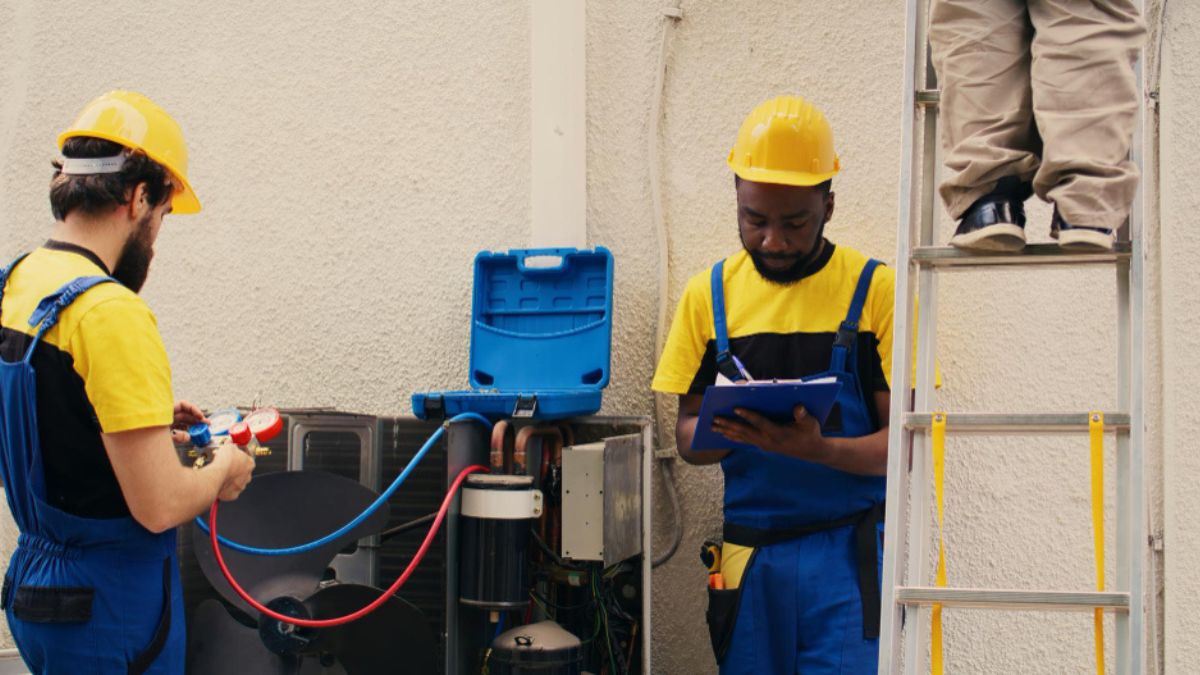
A first-time HVAC service visit sets the foundation for how a heating and cooling system will be maintained, repaired, and optimized in the future. Unlike routine maintenance, this initial visit focuses on understanding the system as a whole rather than addressing a single issue. HVAC contractors use this opportunity to learn how the equipment operates within the specific building, how it has been used over time, and where potential concerns may exist. The goal is not immediate correction but informed evaluation. By observing system behavior, installation conditions, and environmental factors, contractors gain insights that inform future service decisions. This first impression of the system often influences long-term performance and reliability.
What the First Visit Reveals
- Initial System Overview
During a first-time service visit, HVAC contractors begin by forming a broad picture of the system’s condition and history. This includes identifying the installed equipment type, its age, and its configuration within the building. Contractors observe how the system starts, runs, and shuts down, listening for irregular sounds or patterns. They also take note of thermostat placement and responsiveness. In areas such as HVAC in Braintree, MA, local climate considerations often shape how systems are configured and operated, making this overview especially important. The initial assessment helps contractors understand whether the system aligns with the building’s size, layout, and usage patterns, setting the stage for a more detailed evaluation.
- Airflow and Distribution Patterns
Airflow is a central focus during first-time service visits because it directly affects comfort and system efficiency. Contractors examine how air moves through ductwork and into living or working spaces. Uneven airflow can indicate restrictions, leaks, or design mismatches that may not be immediately obvious to occupants. By observing temperature differences between rooms and checking vent output, contractors assess whether conditioned air is distributed evenly. Airflow evaluation helps reveal how well the system supports consistent comfort throughout the space. This insight allows contractors to identify areas where adjustments may improve performance over time without immediate intervention.
- Electrical and Mechanical Condition
Electrical connections and mechanical components are closely reviewed during an initial visit. Contractors look for signs of wear, loose connections, or outdated components that could affect reliability. Motors, fans, and control boards are monitored during normal operation to ensure smooth operation. This review is not about replacing parts on the spot, but about understanding how components age and interact. Electrical stability supports predictable operation, while mechanical balance reduces strain. By documenting these conditions early, contractors create a reference point that helps track changes during future service visits.
- Refrigerant and System Balance
For cooling systems, refrigerant balance is an important aspect of the first visit. Contractors check whether levels appear consistent with expected performance and whether there are signs of leaks or pressure irregularities. System balance also includes how heating and cooling components interact during transitions between cycles. Observing these transitions helps contractors understand how efficiently the system responds to changing demands. Proper balance supports smoother operation and reduces stress on components. Identifying imbalances early enables informed recommendations, rather than reactive adjustments after performance declines.
- Documentation and Baseline Records
One of the most valuable outcomes of a first-time HVAC service visit is the creation of baseline records. Contractors document equipment details, observed conditions, and operational notes that serve as a reference for future visits. This documentation helps track how the system changes over time and supports consistent service decisions. Establishing a baseline ensures that future assessments are informed by historical context rather than guesswork. These records become part of the system’s service history, improving continuity and accuracy in long-term care.
- Safety and Environmental Factors
Safety considerations are part of every HVAC evaluation, especially during an initial visit. Contractors check clearances around equipment, ventilation pathways, and overall installation conditions. Environmental factors such as dust levels, moisture, and nearby structural elements are noted, as they can influence system performance and longevity. Safety evaluation ensures that the system operates within acceptable conditions and does not pose avoidable risks. Addressing environmental factors early supports safer operation and helps prevent gradual issues that could otherwise go unnoticed.
- Understanding Usage and Occupant Patterns
How a system is used matters as much as how it is built. During a first-time visit, contractors often consider occupant habits, schedules, and comfort expectations. Systems that run continuously or cycle frequently experience different wear patterns than those used intermittently. Understanding these patterns helps contractors interpret observed conditions more accurately. Usage insights support tailored recommendations that align with real-world operations rather than theoretical design. This perspective allows contractors to consider the system as part of daily life, not just as mechanical equipment.
- Building Characteristics and System Fit
Every building presents unique challenges and advantages for HVAC systems. Contractors assess insulation levels, window placement, and overall layout during the initial visit. These characteristics influence how hard the system must work to maintain comfort. A system that performs well in one building may struggle in another due to structural differences. Evaluating system fit helps contractors understand whether performance issues stem from equipment limitations or building factors. This distinction guides future recommendations and avoids misdirected adjustments.
- Long-Term Planning Through First Impressions
The first service visit is as much about planning as it is about observation. Contractors use the information gathered to anticipate future needs, such as maintenance timing or potential upgrades. This forward-looking approach helps property owners make informed decisions rather than reacting to unexpected breakdowns. Long-term planning supports stability and reduces surprises. By understanding the system early, contractors can provide guidance that aligns with the building’s needs and the owner’s expectations.
Setting the Stage for Reliable Service
First-time HVAC service visits play a crucial role in establishing understanding, consistency, and trust between the system and its maintainers. By evaluating airflow, components, balance, and usage patterns, contractors gain insight that informs all future service decisions. The goal is not immediate change but informed awareness. When a system is understood from the outset, maintenance becomes more effective and predictable. This initial evaluation sets the stage for reliable performance, smoother service experiences, and long-term comfort built on careful observation rather than assumption.