
Key Takeaways
- Interview scorecards provide a structured framework for evaluating candidates, promoting consistency and fairness.
- They help reduce unconscious bias by standardizing the assessment process.
- Implementing scorecards can enhance the quality of hires and streamline the recruitment process.
Understanding Interview Scorecards
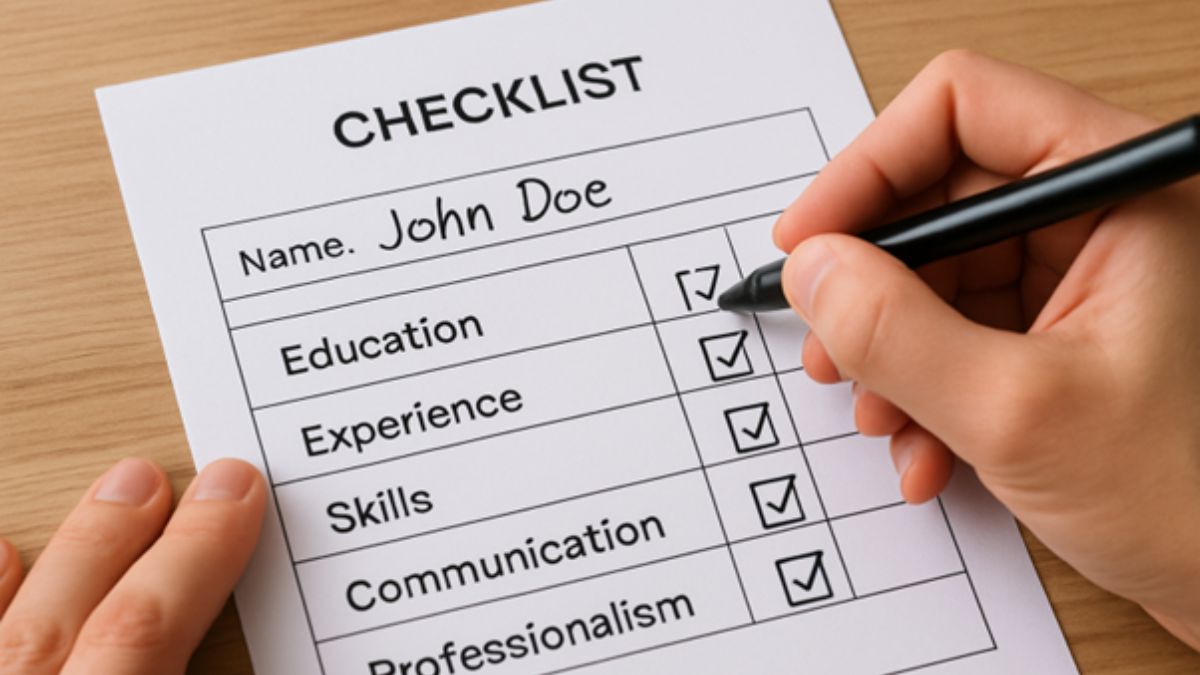
Interview scorecards are standardized assessment tools that guide hiring teams in evaluating candidates against predefined criteria. By outlining required skills, competencies, and behavioral traits, scorecards allow teams to rate each applicant objectively. This ensures each candidate is held to the same standards, which not only supports fairer hiring but also increases the reliability of selection outcomes. Integrating a candidate scorecard into your evaluation process enables hiring managers to make more data-driven and transparent decisions, rather than relying on intuition or informal impressions.
A structured framework in hiring focuses on a candidate’s fit for the position’s requirements, reducing bias, vagueness, and inconsistency often seen in traditional interviews. Interview scorecards are essential for a fair and legally defensible hiring process, outlining necessary skills and guiding interviewers on behavioral, technical, and value alignment. They promote standardization and continuous improvement in hiring practices, enabling organizations to refine techniques and enhance outcomes.
Benefits of Using Interview Scorecards
The introduction of interview scorecards brings measurable improvements to the hiring process:
- Consistency: Every interview follows an established rubric, ensuring each candidate is compared on equal grounds. This reduces the influence of individual interviewer preferences or differences in interpretation.
- Fairness: Standardized criteria help organizations foster diversity and inclusion by reducing unconscious bias. Interviewers are less likely to be swayed by subjective factors or “gut feeling.”
- Improved Decision-Making:Scorecards summarize candidate performance as quantitative, comparable data, facilitating informed decisions. This objectivity is essential for refining talent choices and justifying hiring outcomes.
- Documentation: Maintaining a record of evaluations is invaluable for compliance purposes, future audits, and defending decisions in the event of grievances. Good documentation also supports continuous improvement initiatives within HR teams.
Designing an Effective Interview Scorecard
Success begins with thoughtful scorecard design. Incorporate the following steps:
- Identify Key Competencies: Pinpoint the critical skills—technical, interpersonal, and organizational—that are essential for job performance. Refer to industry benchmarks and consult with hiring managers to ensure accuracy.
- Develop Clear Criteria: Criteria should be specific and observable. For each skill or competency, define what excellence looks like in a candidate’s answer or behavior.
- Assign Weightings: Not every criterion is of equal importance. Assign weights to reflect the relevance of each competency to the position’s success.
- Provide Rating Scales: Standard rating scales (e.g., 1–5) help ensure consistency across interviewers and rounds, removing ambiguity from scoring.
- Include Behavioral Questions:Incorporate behavioral and situational questions, as these are proven to predict future job performance based on past behavior. Encourage candidates to share specific examples from their previous roles.
For deeper insights into how scorecards can drive structured and unbiased hiring decisions, large organizations have shared their approaches to assessment frameworks.
Implementing Interview Scorecards in Your Hiring Process
- Train Interviewers: Provide hands-on training and documentation so interviewers understand how to apply scorecards and interpret results consistently.
- Standardize Interviews: Use the same scorecard and set of questions for all candidates applying for a given role. This enforces fairness and enables meaningful comparison.
- Review and Calibrate: Hold regular calibration sessions where interviewers review candidate scores and discuss discrepancies. This aligns interpretations, improves fairness, and prevents score inflation or compression across the team.
Detailed implementation guides provide actionable steps for rolling out structured interview systems.
Challenges and Solutions
- Bias in Scoring: Even with standardized tools, there’s a risk that interviewers may unconsciously favor candidates similar to themselves. Ongoing bias awareness training and diverse interview panels are key to addressing this challenge.
- Inconsistent Use: Different interviewers might score the same answer differently. Consistent calibration and peer review sessions ensure a shared understanding of what each score represents.
- Overly Complex Criteria: Overloading the scorecard with too many competencies can lead to interviewer fatigue and reduce accuracy. Focus only on the most critical skills for success in the role.
Real-Life Example
A leading technology company implemented structured interview scorecards with clear, weighted criteria for major technical and soft skills. As a result, their time-to-hire dropped by 20% and retention for new hires improved by 15%. This real-world example highlights the effectiveness of structured assessment frameworks in streamlining hiring and supporting long-term organizational goals.
Conclusion
Interview scorecards are indispensable for organizations seeking to hire reasonably and efficiently. By bringing structure, objectivity, and transparency to the interview process, they improve both the quality of hires and candidate experience. As modern hiring demands greater consistency and accountability, scorecards have become a best practice for both small businesses and global enterprises.