
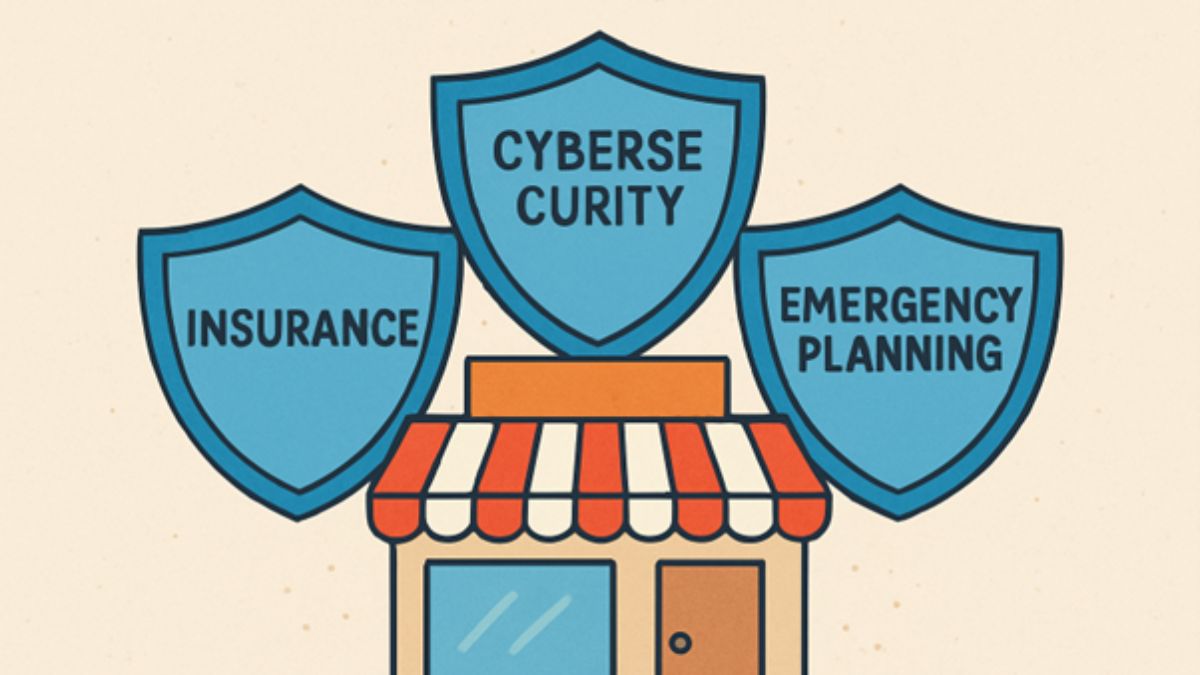
Small businesses today operate in a complex world that presents unique challenges and uncertainties. From cyberattacks to natural disasters, entrepreneurs must remain vigilant to the risks that can disrupt business continuity. One of the fundamental strategies for ensuring stability is protecting your business assets, which involves both proactive planning and responsive adjustments.
Risk management is not just a necessity for large enterprises. In fact, small businesses may be especially vulnerable due to limited resources and leaner operational structures. Having a solid risk management strategy can mean the difference between swift recovery and permanent closure following an unexpected event.
Understanding risk and taking practical steps to mitigate potential threats is essential for both new startups and established local companies. As industries and technologies evolve, so do the risks. Therefore, every small business needs a plan for continued adaptation and security.
This article explores effective risk management approaches small business owners can implement to safeguard operations, assets, and reputations. By focusing on planning, leveraging technology, and prioritizing both cyber and physical protections, companies can increase their resilience in a volatile economic climate.
Understanding Risk Management
Risk management is the systematic process of identifying, analyzing, and addressing exposures that might threaten the achievement of business objectives. For small businesses, this includes examining day-to-day operations to detect any vulnerabilities and establishing controls or procedures to limit their impact. The aim is not to eliminate risks entirely but to turn unknowns into manageable scenarios, giving owners greater control over outcomes and future growth.
Common Risks Faced by Small Businesses
A well-rounded approach to risk management begins with assessing the typical risks that small businesses are likely to encounter, such as:
- Financial Risks: Fluctuating cash flow, unexpected costs, or declining sales can threaten solvency and operational capacity.
- Operational Risks: These arise from day-to-day functions, such as machine breakdowns, supply chain delays, or process errors.
- Cybersecurity Threats: As small businesses rapidly adopt digital solutions, the risk of data breaches and cybercrime increases. Sophisticated phishing attacks or malware can have severe financial and reputational consequences.
- Legal Risks: Regulatory compliance failures, employee disputes, or accidental violations of intellectual property can all lead to costly litigation.
Developing a Risk Management Plan
Establishing a formal risk management plan helps businesses proactively guard against potential disruptions. Key steps include:
- Risk Identification: Begin by brainstorming all plausible threats to your operations with key staff.
- Risk Assessment: Evaluate the likelihood of each risk and its potential impact. Prioritize high-impact, high-likelihood risks for immediate attention.
- Risk Mitigation: Outline and deploy strategies to reduce the likelihood or severity of each risk. For example, routine equipment maintenance can lower the odds of breakdowns, and having backup suppliers can soften supply chain shocks.
- Implementation: Put mitigation procedures in place. This often involves allocating roles, providing training, or investing in new systems.
- Monitoring: Regularly audit and revise your plans as new threats emerge and business priorities shift. Keeping the plan agile enables better preparation for future risks.
Leveraging Technology for Risk Mitigation
Modern technology tools can significantly enhance a small business’s ability to predict, identify, and respond to risks. Cloud-based platforms streamline documentation, automate compliance processes, and centralize data. Analytics software can monitor patterns and alert teams to emerging financial, operational, or security issues before they escalate.
Embracing digital transformation not only builds resilience but can also expose new growth opportunities. For an overview of how businesses are harnessing technology to address risk, the Forbes Tech Counciloffers expert perspectives.
Importance of Cybersecurity
With more business being conducted online and remotely, the threat environment has expanded dramatically. According to industry studies, nearly 60 percent of small and midsize companies experience a cyberattack each year, with many lacking the resources to effectively recover. Preventative cybersecurity is critical and should include:
- Implementing robust password policies and enabling multi-factor authentication across all accounts.
- Ensuring that all software, operating systems, and network defenses are updated regularly to close security gaps.
- Providing mandatory employee training on digital hygiene, including how to identify suspected phishing attempts and suspicious websites.
- Creating a clear, accessible incident response plan that designates responsibilities and timelines for action during a security breach.
Insurance as a Risk Management Tool
Insurance policies serve as a vital safety net for businesses facing unforeseen losses or litigation. Types of insurance that are particularly relevant include:
- General Liability Insurance: Offers protection against claims of physical injury or property damage caused by your business.
- Property Insurance: Covers the cost of damages to your premises and contents resulting from fires, theft, or natural events.
- Cyber Liability Insurance: Assists with recovery expenses after data breaches or cyberattacks.
- Business Interruption Insurance:Provides financial support if operations must temporarily shut down due to a covered disaster.
Choosing appropriate insurance products ensures that even unpredictable events do not jeopardize business continuity.
Continuous Monitoring and Improvement
Effective risk management is a continual cycle of assessment, action, and adjustment. Regularly updating your risk management plan in response to market shifts, regulatory changes, and technological advances is essential. Seeking out expert advice and participating in industry workshops can help small businesses remain at the forefront of risk mitigation. This commitment to ongoing improvement builds a culture of safety, confidence, and adaptability.
Conclusion
For small businesses, risk is an unavoidable reality. However, by prioritizing comprehensive risk management strategies, owners can minimize vulnerabilities while fostering an environment where opportunity flourishes. Embedding proactive planning, digital solutions, thorough cybersecurity, and tailored insurance coverage creates a foundation for long-term prosperity and agility in the face of change.