
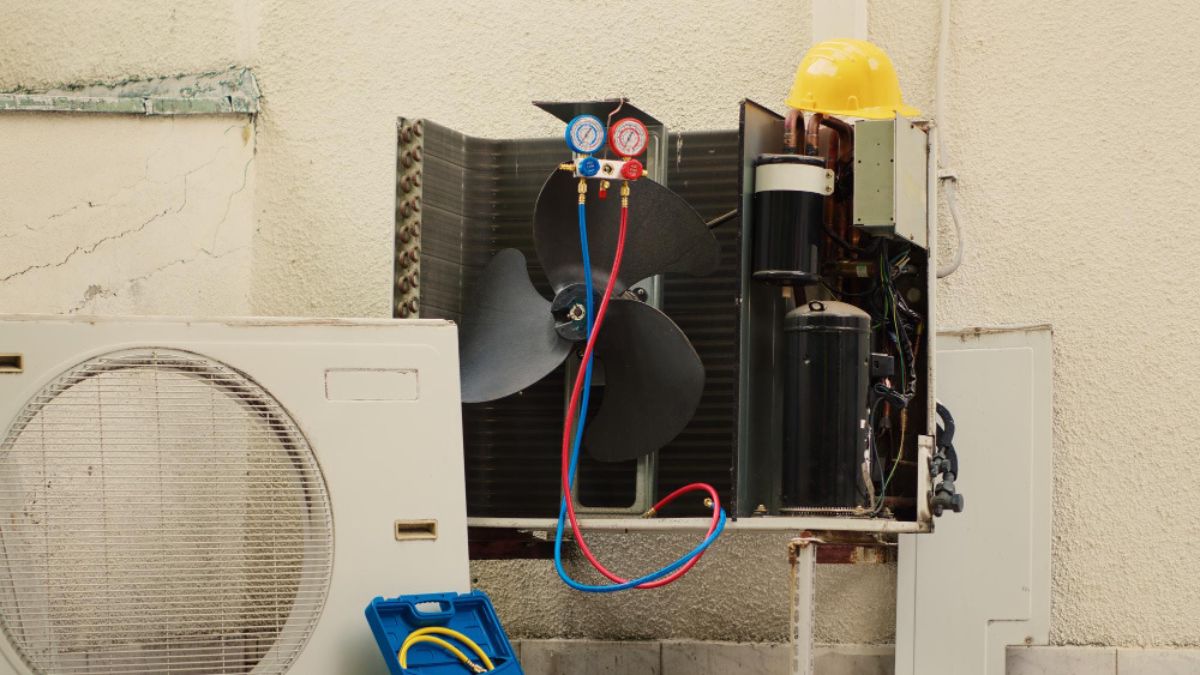
Heating and cooling systems rarely fail without leaving clues behind. Every repair, adjustment, or replacement performed in the past becomes part of a system’s ongoing story. When HVAC contractors take time to review earlier repairs before making new fixes, they gain insight into patterns that affect performance, comfort, and energy use. This approach reduces guesswork and helps ensure that new work aligns with what the system has already experienced. Looking back at service records allows contractors to see what has worked, what caused repeated issues, and how the system has aged over time. This thoughtful review supports safer decisions, more consistent results, and better long-term outcomes for property owners.
How Past Repairs Guide Smarter Decisions
- Learning from System History and Performance
Reviewing past HVAC repairs helps contractors understand how a system behaves under real operating conditions. Service records often reveal recurring problems such as uneven airflow, frequent cycling, or component wear that returned after earlier fixes. By studying these details, contractors can determine whether a new issue is truly separate or connected to an unresolved older cause. This historical context matters because HVAC systems are interconnected, and one improper adjustment in the past can influence multiple components later. Knowing what parts were replaced, repaired, or adjusted helps avoid repeating ineffective solutions. It also allows contractors to match new repairs with the system’s existing setup, reducing the risk of compatibility issues and unnecessary changes that could shorten equipment life.
- Preventing Repeated Mistakes and Misdiagnosis
One of the strongest reasons contractors examine previous repairs is to avoid repeating mistakes that led to ongoing problems. A repair that seemed successful at the time may have addressed only symptoms, not the root cause. By reviewing earlier service notes, contractors can see whether similar complaints were reported before and how they were handled. This reduces the chance of misdiagnosis and helps focus attention on underlying issues such as improper sizing, airflow imbalance, or electrical inconsistencies. In practice, companies like Alford Mechanical rely on repair histories to ensure new fixes build on accurate information rather than assumptions. This approach saves time, reduces disruption, and leads to solutions that address the real source of system trouble.
- Improving Efficiency and Long-Term Reliability
Past repair records also provide valuable insight into how efficiency has changed over time. A system that once cooled effectively but now struggles may reveal a gradual decline linked to repeated component stress or improper adjustments. Contractors reviewing these patterns can recommend fixes that restore balanced operation rather than temporary relief. Understanding what has already been done helps determine whether a system needs targeted repair or a broader correction to improve performance. This method supports long-term reliability because each new fix is informed by what the system has already endured. It also helps protect energy efficiency by preventing repeated interventions that strain components and increase operating costs over time.
- Supporting Clear Communication and Trust
When contractors review past repairs, they are better equipped to clearly explain current recommendations. Service histories allow them to show property owners how earlier work relates to present concerns, making explanations easier to understand and more transparent. This clarity builds trust because decisions are based on documented information rather than vague estimates. Owners can see how their system has been maintained and why certain fixes are necessary now. Clear communication also helps align expectations, as contractors can explain why a different approach may be needed if earlier repairs did not fully resolve the issue. Over time, this open process encourages informed decisions and a stronger working relationship between contractors and clients.
Building Better Fixes Through Careful Review
Reviewing past HVAC repairs before making new fixes is a practical approach that supports accuracy, efficiency, and reliability. By learning from system history, contractors can avoid repeated errors, focus on root causes, and align new work with existing conditions. This practice improves communication, reduces unnecessary changes, and helps systems operate more consistently over time. A careful look at previous repairs turns experience into guidance, allowing each new fix to be smarter than the last. In the long run, this method benefits both contractors and property owners by promoting dependable performance and thoughtful maintenance decisions grounded in real system history.