
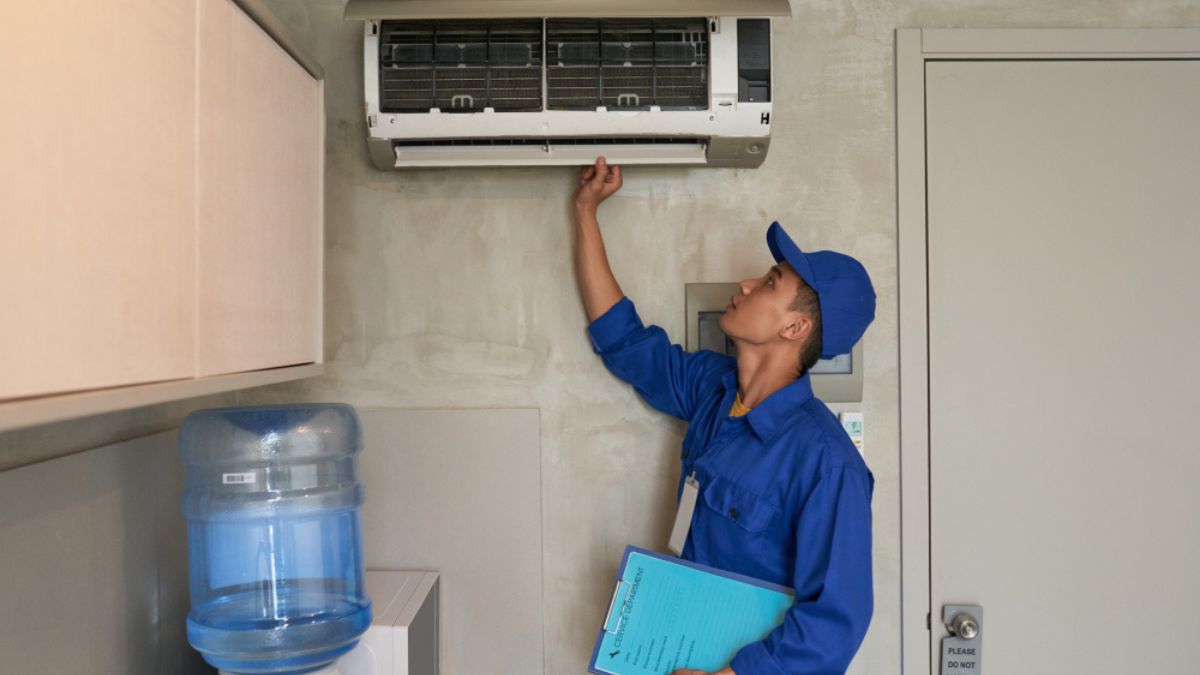
When a homeowner reports that a room feels clammy, a hallway is always colder, or the system runs too long without reaching the set temperature, the instinct is to blame the furnace or air conditioner. Contractors know that comfort complaints are often caused by a chain of factors that can include airflow restrictions, thermostat placement, duct leakage, humidity load, or even how the home is being used day to day. Touching the equipment first can lead to wasted time and unnecessary part swaps because the unit may be operating normally while the home’s distribution and control conditions are not. That is why many contractors begin with analysis, asking questions, and observing patterns before opening panels or adjusting components. Good diagnosis turns a vague comfort complaint into a clear, measurable problem.
Diagnosing before turning a screwdriver
Listening for Patterns and Building the Story
The first diagnostic tool is conversation, because symptoms usually follow a pattern that points toward the root cause. Contractors ask where discomfort occurs, when it appears, and how long it has been present. They want to know whether the issue is seasonal, time-of-day related, or tied to specific activities like cooking, showering, or running appliances. They also ask whether doors are typically open or closed, whether certain vents are blocked by furniture, and whether a recent renovation changed room layout or insulation. This is also where a company like Pruitt Heating & Air, Inc. might emphasize methodical questions, because the homeowner’s answers help narrow the search before any tools come out. If the complaint is “upstairs is hot in the afternoon,” that suggests sun load, duct balance, and return limitations, while “humidity won’t drop even when it’s cool” suggests short cycling or airflow settings that reduce moisture removal. The story builds a map that prevents guesswork.
Checking Thermostat Placement and Control Behavior
Before touching the equipment, contractors often check the thermostat and how it controls the system. A thermostat can cause comfort problems if it is placed in a draft, near a sunny window, close to a kitchen, or in a hallway that does not represent the main living spaces. Contractors check whether the thermostat is reading accurately and whether schedules, setbacks, or fan settings are creating unintended effects. For example, running the fan continuously can redistribute moisture, making a home feel more humid, while aggressive temperature setbacks can force long recovery cycles that feel uncomfortable. Contractors also look at whether the system is short-cycling or running in long stretches, because run patterns reveal whether the issue is capacity, control, or distribution. In multi-stage or variable-speed systems, they may review staging behavior to see if the system ramps up too quickly, overshoots, or fails to sustain steady output. Control behavior is often the simplest fix, but it must be carefully verified.
Walking the Home to Observe Airflow and Room Conditions
A comfort complaint is rarely solved from the mechanical room alone, so contractors walk the home to feel and measure how air is delivered. They check supply registers for airflow strength, temperature feel, and signs of restriction such as whistling grilles or weak flow in distant rooms. They also look for return-air problems, especially in bedrooms, where closed doors can trap air and reduce circulation. A room without a return pathway can become pressurized, reducing supply airflow and causing temperature drift. Contractors consider factors such as ceiling height, large glass areas, exterior wall exposure, and whether certain rooms are consistently sunlit or shaded. They may also look for telltale signs such as condensation on windows, lingering odors, or dust patterns near registers, all of which can point to humidity issues or duct leakage. This walkthrough creates a physical understanding of the complaint and often reveals simple causes, such as a blocked return grille or a closed damper that no one realized existed.
Measuring, Not Guessing: Pressure, Temperature, and Humidity
After observation, contractors typically take quick measurements to confirm what they are seeing. Static pressure readings help reveal whether airflow is being choked by restrictive filters, undersized returns, dirty coils, or duct issues. Temperature readings at registers and in different rooms show how evenly the system is delivering conditioned air and whether the temperature drop or rise across the system is within expected ranges. Humidity measurements are especially important for complaints about clamminess, odors, or “it feels cold but sticky,” because temperature alone does not define comfort. Contractors may compare indoor humidity to outdoor humidity and note whether humidity remains high even during long run cycles, which can suggest oversized equipment, airflow set too high, or ventilation and infiltration issues. These measurements guide the next steps and prevent the common mistake of replacing parts on the unit when the numbers show the unit is functioning normally, but the home is not distributing or retaining comfort properly.
Inspecting Ducts and Building Envelope Before Blaming the Unit
Duct systems and the building envelope often create comfort complaints that mimic equipment problems. Contractors inspect accessible duct sections for leaks, disconnected joints, crushed flex duct, and poor insulation in hot attics or cold crawlspaces. Leaks can waste conditioned air and pull in unconditioned air, altering humidity and temperature in unpredictable ways. Contractors also consider infiltration, because a home with gaps around doors, attic hatches, or recessed lights can quickly gain heat and moisture, especially during extreme weather. They may notice that certain rooms are over-ventilated through leaks or underserved due to duct sizing and long runs. In some cases, they identify that the problem is not HVAC capacity but heat gain from solar exposure or missing insulation that makes one side of the home behave differently. By checking ducts and envelope conditions first, contractors avoid “fixing” the equipment only to leave the real cause untouched.
Deciding When to Touch Equipment and What to Check First
Only after narrowing the likely causes do contractors move to the equipment with a targeted plan. If airflow measurements suggest restriction, they inspect filters, blower settings, coil condition, and dampers. If the temperature split suggests a cooling performance problem, they check refrigerant-related indicators and heat transfer surfaces. If the system is short-cycling, they examine control wiring, thermostat configuration, and safety switch behavior. This sequence matters because it turns equipment inspection into confirmation rather than a fishing expedition. Targeted checks reduce unnecessary adjustments that could worsen the system, such as increasing the blower speed when humidity control is already weak. They also reduce the risk of overcorrecting based on a single symptom. The equipment is still important, but it becomes one part of the diagnosis rather than the starting assumption.
A Short Reminder About Good Diagnosis
Comfort complaints can seem simple, but they often stem from interactions among airflow, controls, humidity, and the building itself. Contractors who analyze first tend to solve problems faster because they identify patterns, confirm them with measurements, and then make focused adjustments. This approach reduces repeat visits and helps homeowners understand why the issue happened, not just what part was changed.
Analysis Protects Comfort and Prevents Waste
HVAC contractors analyze comfort complaints before touching equipment because many problems originate in controls, airflow distribution, duct leakage, or building conditions rather than in a failed component. By listening for patterns, checking thermostat behavior, walking the home, and measuring pressure, temperature, and humidity, they turn subjective discomfort into objective clues. Duct and envelope checks often reveal hidden causes that would not be fixed by replacing equipment parts. When contractors finally inspect the unit, they do so with a clear hypothesis, which reduces unnecessary changes and yields more reliable results. In the end, careful analysis protects homeowner budgets, improves comfort faster, and ensures the equipment is adjusted only when it truly needs it.