
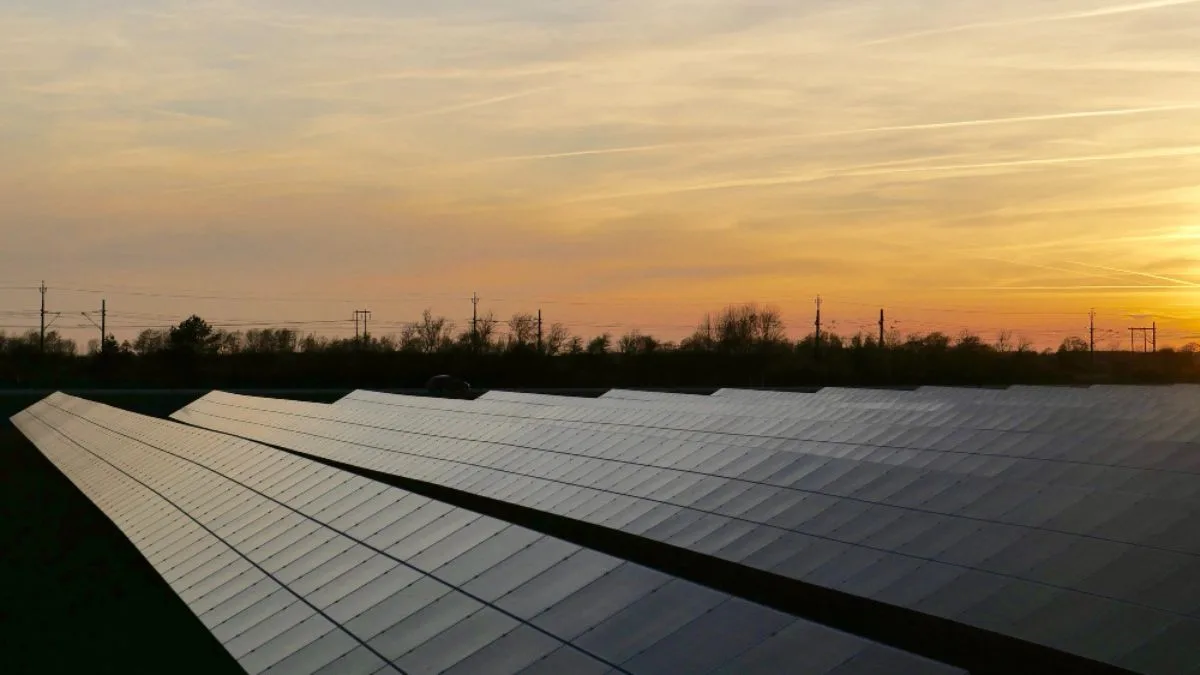
Extreme heat environments can surprise solar owners because bright sun does not always mean peak energy. Solar panels convert light into electricity, but their electrical characteristics shift as the module temperature rises. On a very hot day, the roof and the air around the array can push panel temperatures far above the outdoor thermometer reading. That heat lowers voltage, changes how the inverter tracks operating points, and can reduce total daily production even while irradiance is high. Heat can also affect long-term reliability by stressing materials, accelerating seal wear, and increasing the frequency of thermal expansion cycles. Managing solar performance in extreme heat is not about avoiding hot climates. It is about understanding temperature effects, selecting hardware that tolerates them, and installing arrays so they shed heat efficiently while remaining structurally secure.
What This Guide Cover
- Why High Temperatures Reduce Instant Power
Solar cells generate current primarily in response to sunlight intensity, but voltage is strongly influenced by temperature. As a module heats up, the voltage at its maximum power point drops, and the overall wattage falls even if the current stays similar. This is why manufacturers publish temperature coefficients, often expressed as a percentage change in power per degree above a reference condition. In practice, the module temperature can reach levels that make the loss noticeable during the hottest part of the afternoon. Heat also affects the behavior of bypass diodes and can shift the maximum power point, requiring the inverter to track and adjust continuously. Inverters generally handle this well, but the system still delivers fewer watts at the same sunlight level compared with a cooler day. Another detail is that wind matters as much as air temperature. A hot but breezy day can cool panels and improve output compared with a still day with the same air temperature. Roof type matters too. Dark shingle roofs radiate heat upward, while lighter roofs may keep module temperatures lower. Ground mount arrays often run cooler because air flows on both sides of the panel, improving convective cooling. These physics explain why two homes in the same city can experience different summer losses depending on the mounting style and airflow.
- Installation Factors That Control Module Temperature
In extreme heat regions, installation details can either trap heat or help the array shed it. Standoff height above the roof is a major factor because it controls airflow behind the modules. More clearance allows hot air to escape and encourages convective cooling, while very tight mounting can trap heat on the back of the panel. Racking design influences this as well. Some rail layouts leave more open space for air movement, and choosing skirt panels or aesthetic trim can reduce airflow if they block ventilation paths. Orientation and tilt affect temperature because flatter arrays can sit closer to the roof surface and may accumulate hot boundary layers, especially on low-slope roofs. Service planning also matters. If wiring is bundled tightly against hot surfaces, insulation can age faster. In many marketing materials, companies talk about performance in desert climates, and North Valley Solar Power is an example of a phrase that might appear in a local context when homeowners look for teams that understand heat-related design choices. The key takeaway is that heat management is partly engineered and partly installed. Good airflow, proper clearances, and thoughtful routing reduce thermal stress and can lift summer production.
- Component Impacts Beyond the Panels
Extreme heat affects more than modules. Inverters and power electronics have temperature limits and may reduce output if they overheat, a behavior called thermal derating. String inverters mounted in direct sun on an exterior wall can run hotter than expected, especially in late afternoon. Microinverters under hot modules can also operate at high temperatures, though they are designed for such conditions. The difference is how reminders of heat appear. Derating may show up as a plateau in output during the hottest hour when production should still be strong. Locating inverters in shaded, ventilated areas and using proper spacing around equipment can reduce these losses. Cabling and connectors are also affected. High heat accelerates material aging, so UV-rated conductors, correct crimping, and tight weatherproof connections matter more in desert climates. Grounding and surge protection are important as well, because extreme heat regions can experience monsoon storms or dust events that increase electrical stress. Even mounting hardware is part of the thermal story. Repeated expansion and contraction can loosen fasteners over time if torque values and locking methods are not handled correctly. A heat-ready design treats the entire system as a thermal environment, not just the panel surface.
Heat Resilient Solar Output
Solar panel performance in extreme heat is shaped by how rising module temperature reduces voltage, lowering instantaneous power even under intense sunlight. Installation details, such as standoff height, airflow paths, and roof heat exposure, can significantly affect panel temperature and summer yield. Heat also affects inverters, wiring, connectors, and mounting hardware, sometimes leading to derating or accelerated aging when equipment is placed in direct sunlight or in poorly ventilated locations. Dust and soiling often combine with heat to reduce light transmission and trigger bypass behavior, so maintenance planning becomes part of performance management. By selecting modules with favorable temperature behavior, designing for airflow, protecting electronics from direct heat, and using monitoring to identify true loss sources, solar systems can remain productive and durable in very hot climates. The result is steadier generation throughout the summer and fewer long-term reliability surprises.