
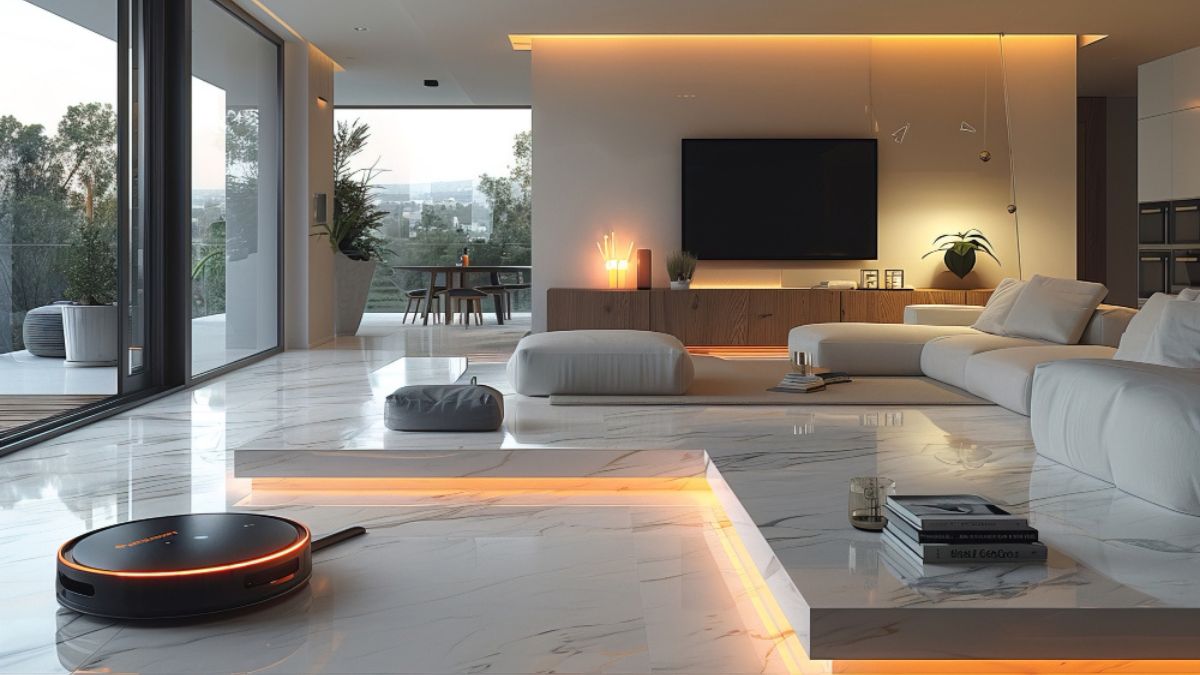
Smart home technology is becoming an expected feature in luxury rentals because renters now associate convenience, security, and comfort with connected living. What used to feel like a premium add-on, such as a smart lock or app-controlled thermostat, is increasingly viewed as part of the baseline experience alongside modern finishes and strong amenity spaces. Renters want a home that responds quickly to daily routines, reduces friction during travel, and supports remote and hybrid work without constant manual adjustments. Property managers also benefit because smart systems can reduce operational noise, support faster maintenance response, and improve energy management across an entire building. The shift is not only about gadgets. It is about consistent, reliable infrastructure that works for residents on day one and remains stable without a complicated setup. When smart features are well planned, they feel invisible, making the home easier to live in while also increasing the perceived value of the rental.
Convenience, safety, and control
- Everyday comfort that adapts to residents
Luxury renters often judge smart home technology by how it improves daily comfort rather than how many devices are installed. Smart thermostats and temperature sensors can help maintain steadier indoor conditions by adjusting schedules, managing temperature setbacks during travel, and reducing temperature swings between rooms. Smart lighting adds another layer of comfort by allowing scenes for morning routines, work hours, and evenings, while also helping residents avoid harsh glare during video calls. Shade control, whether through motorized blinds or integrated window treatments, supports privacy and reduces solar heat gain, helping keep living spaces more comfortable without constant thermostat adjustments. Smart features also help residents who travel frequently. A quick check of temperature, door lock status, and lighting from a phone gives peace of mind and reduces the need to ask neighbors for help. In buildings that cater to professionals, these systems are marketed as part of a polished lifestyle, and residents looking at Luxury Apartments in Jersey City often notice whether smart controls are integrated cleanly rather than added as a messy collection of devices. Comfort-driven smart technology is most valuable when it works reliably and has simple controls that do not require technical knowledge to maintain.
- Security and access management in modern rentals
Smart home technology is also becoming standard because it addresses security and access in ways that traditional keys cannot. Smart locks allow residents to manage entry without having to copy keys, and temporary codes make it easier to grant access to pet sitters, cleaners, or visiting family without sharing permanent access. Video intercom systems and controlled building entry help residents screen visitors, which is especially important in dense urban settings. Package delivery technology has also become part of security. Smart lockers, access-controlled mailrooms, and delivery notifications reduce theft risk and improve convenience for residents when they are away. For property managers, smart access systems simplify turnover, reduce lockout incidents, and allow controlled access for maintenance teams. The key is balancing security with privacy, which means clear policies on data retention, camera placement, and resident consent. Luxury renters expect a secure environment, but they also want transparency about what is being monitored and how their information is protected. When buildings implement these systems responsibly, they create a sense of safety without making residents feel watched or overwhelmed by technology.
- Smart amenities and building-wide integration
Luxury rentals increasingly extend smart technology beyond the apartment unit into shared amenities. Fitness centers may use app-based entry, equipment reservations, and digital class schedules. Coworking lounges may include smart booking for meeting rooms, stable Wi-Fi management, and quiet-zone controls that protect productivity. Elevators, parking gates, and amenity doors can be managed with secure credentials, reducing the need for physical fobs that are easily lost. Some buildings integrate smart sensors for air quality, humidity, and temperature in common areas, creating a more consistent environment and helping operations teams respond to comfort complaints quickly. Building-wide integration also supports sustainability goals. Smart irrigation, leak sensors in mechanical rooms, and energy monitoring can reduce waste and prevent damage before it escalates. Residents may not see these systems every day, but they benefit from fewer disruptions and greater reliability. The challenge is ensuring that building systems and in-unit systems work together rather than competing. A seamless experience requires consistent apps, clear onboarding, and support when something goes wrong, since technology that fails often feels worse than not having it at all.
Smart living as a daily expectation
Smart home technology is becoming a standard in luxury rentals because it improves comfort, simplifies routines, and raises security in ways renters now expect. In-unit controls for climate, lighting, and access support a smoother daily experience, while building-wide systems improve package handling, amenity access, and operational reliability. These tools also help properties reduce disruptions through early alerts and more efficient maintenance workflows. As smart features become more common, renters judge them by reliability, ease of use, and privacy protection rather than novelty. When implemented thoughtfully, smart technology blends into the background, making luxury living feel more effortless and turning connected control into an everyday expectation rather than an optional upgrade.