
Key Takeaways
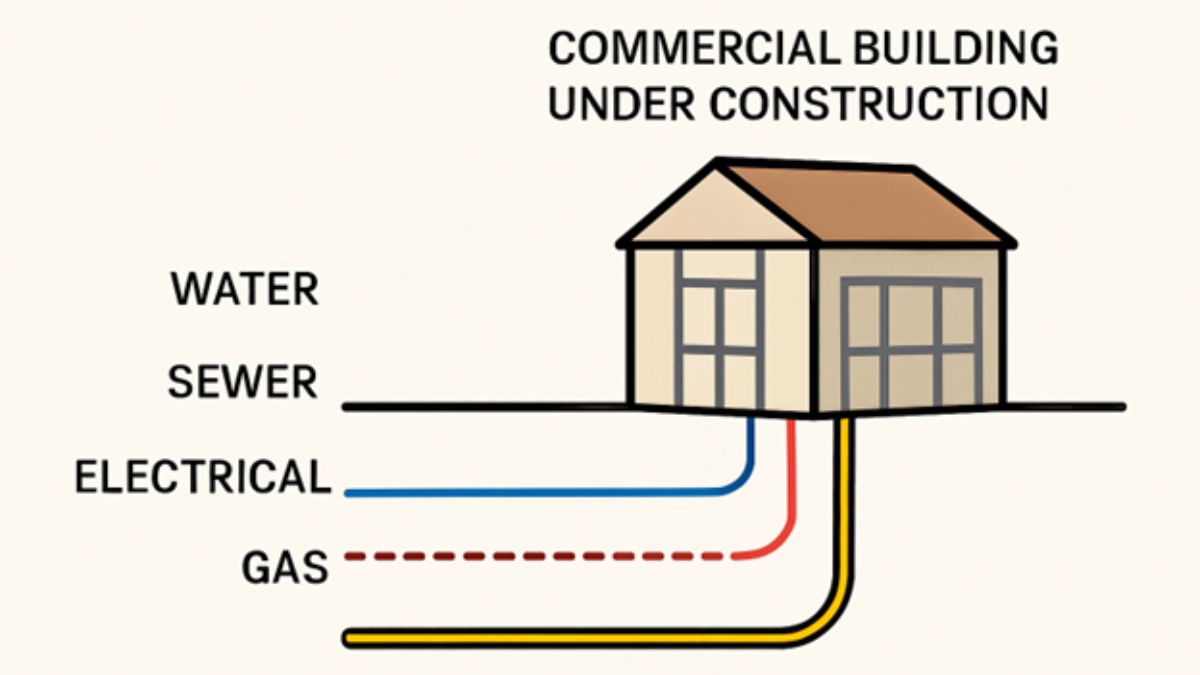
- Site utility installation is essential for delivering water, sewer, electrical, and gas services to commercial buildings.
- Early planning and coordination help prevent delays, reduce costly changes, and streamline permitting.
- Proper design and sizing of each utility system ensure long-term performance and code compliance.
- Strong safety practices and OSHA compliance reduce risks during trenching and installation.
- Technology and sustainable practices improve efficiency, prevent utility strikes, and future-proof commercial properties.
Introduction to Site Utility Installation
Site utility installation is foundational to the success of commercial building projects, laying the groundwork for all essential services that modern structures require. Without proper utility infrastructure, even the most impressive buildings are rendered unusable. This process ensures new structures are equipped with vital services such as water, sewer, electricity, and gas, which ultimately make them habitable and operational. Engaging an experienced contractor, like Koehn Construction, from the outset of a building project can help navigate the complexities of utility design and installation, streamline the journey from permit to occupancy, answer technical questions, and facilitate coordination with relevant local agencies. Their expertise can prevent potential missteps that could otherwise stall the project or lead to hidden costs later.
In commercial construction, careful planning of utility systems is more than just a preliminary step; it is essential for preventing costly changes and project delays. Well-conceived utility layouts help maintain construction schedules, avoid unnecessary rework, and support the long-term safety and functionality of the building. These installations must always comply with local building codes and regulations, which can vary significantly by project location and use type. An experienced team can also help avoid common pitfalls as the project advances, including oversights in utility routing and improper system sizing, both of which could impact building performance down the road. Investing early in quality planning and installation pays dividends throughout the building’s life.
Key Components of Site Utility Installation
Creating a fully functional commercial property involves seamlessly integrating multiple utility systems, each essential to daily operations. The complexity of commercial developments means utility requirements go far beyond those of residential projects, making attention to each system crucial:
- Water Supply Systems: A reliable, code-compliant water system includes proper installation of underground piping, metering equipment, and advanced backflow prevention devices that safeguard public health. Ensuring adequate water pressure and capacity is crucial, especially for multi-story properties and those with special fire suppression needs.
- Sewage and Drainage Systems:Properly installed sanitary and stormwater systems are critical not only to preventing contamination and water damage but also in meeting strict environmental and building regulations. These systems must account for varying ground conditions, the expected building occupancy, and forecasted rainfall and runoff loads.
- Electrical Systems: Routing conduits and wiring accurately supplies consistent power where needed, supports occupant safety, and accommodates future technology upgrades. These systems often require robust planning to avoid conflicts with structural features and to meet stringent energy codes that continue to evolve.
- Gas Lines: Secure gas line installation enables reliable energy for heating and food service, while reducing safety risks to building occupants. Thorough testing for leaks and compliance with evolving standards are essential for a safe and dependable system.
A thorough understanding of these key systems allows project managers, building owners, and stakeholders to better anticipate construction challenges. This is especially important in commercial settings where business demands require robust infrastructure and built-in redundancy. For example, hospitals and data centers require far more extensive utility planning than standard office buildings because of their critical system dependencies. Close collaboration with design professionals and specialized contractors at all stages reduces the risk of missed requirements and costly design revisions.
Getting site utility installation right not only ensures immediate building functionality but also helps future-proof properties, providing flexibility for expansions or adaptive changes in use. As the construction sector evolves, more developers prioritize sustainable infrastructure to align with emerging energy codes and urban planning trends. Incorporating green technology, such as greywater reuse systems or renewable-ready electrical service panels, can attract tenants interested in sustainability and help building owners comply with future mandates.
Planning and Coordination
Success in commercial utility installation is deeply rooted in early, comprehensive planning and clear coordination between all parties involved, including specialists, subcontractors, engineers, utility companies, and municipal authorities. Establishing communication with utility providers before breaking ground helps define necessary connection points, clarify available capacity, and align on project deadlines. This proactive approach enables permitting and approval processes to move smoothly, avoiding unnecessary delays once construction is underway.
Utility installation schedules should be meticulously coordinated with broader site development work, such as grading and foundation placement, to minimize costly rework or delays caused by overlapping activities among multiple trades. Tools such as Building Information Modeling (BIM) and detailed Gantt charts help visualize dependencies and track progress, fostering transparency and accountability across the team. Addressing logistical challenges early also prepares the project to respond quickly to unforeseen issues, such as changes in customer requirements or site constraints discovered after excavation begins.
Regulatory Compliance and Permits
Every jurisdiction establishes its own detailed regulations regarding how utilities are designed, installed, and inspected, and these rules can change over time. Comprehensive compliance planning is necessary to avoid costly code violations, failed inspections, and potential project stoppages. Notably, recent legislation, such as Florida’s updated House Bill 869, permits contractors to install empty conduits for future services during new developments, thereby substantially lowering future costs and reducing disruptions if infrastructure upgrades are needed. Proactively considering future expansion when installing initial utilities adds long-term value to any commercial site.
By collaborating closely with local officials and utility companies and staying current on regulatory changes, commercial builders can ensure continual compliance throughout the project lifecycle. Early submittal of engineering documents and precise recordkeeping further reduce the risk of delays during municipal review.
Safety Considerations
Safety is a paramount concern during utility installation. The process often involves deep trenching, heavy machinery operation, confined space work, and live electrical connections, all of which present real and substantial risks. Adherence to OSHA guidelines protects workers and the public. On-site, investing in comprehensive worker training and implementing a robust, site-specific safety plan can dramatically reduce incidents, liability, and even insurance costs.
Managers must regularly inspect protective systems—such as shoring and trench boxes and enforce the use of personal protective equipment (PPE) for all team members. Conducting daily safety briefings, staying alert to shifting ground conditions, and instilling a culture of safety compliance further protect both the workforce and surrounding infrastructure from accidental damage, such as utility strikes that can disrupt service to adjacent properties. Proper utility marking, careful equipment operation, and proactive hazard identification are essential to preventing injury and property damage.
Technological Advancements
Technology continues to transform commercial utility installation by enhancing accuracy, reducing costs, and improving overall site safety. AI-driven mapping and digital modeling make it easier to avoid conflicts above and below ground between new utilities and building foundations, landscape features, or signage. With advancements such as LiDAR and ground-penetrating radar, remote-sensing tools now enable crews to locate buried pipes or cables before excavation, avoiding costly and dangerous strikes to existing services.
The construction industry is embracing digital project management platforms to track progress, manage documentation, and foster real-time collaboration among diverse project teams working across multiple locations. The Common Ground Alliance’s industry-wide challenge to reduce utility strikes aims to halve incidents by 2028, making these technologies a rapidly emerging best practice among reputable contractors. Whether through automated machine guidance or cloud-based as-built records, technology is a key driver in ensuring safe, efficient, and future-ready installations.
Environmental Considerations
Utility installation projects increasingly incorporate strategies intended to reduce environmental impact and support site sustainability. Sensitive site planning can protect natural habitats, trees, and waterways from contamination or unnecessary disturbance. The use of recycled materials for piping or insulation, adoption of low-impact trenching and horizontal boring techniques, and implementation of best practices for slope stabilization and erosion control further support conservation goals.
Thoughtful environmental stewardship can also unlock financial incentives, expedite permitting, or fulfill requirements for green building certifications such as LEED or WELL. Commercial developers who integrate sustainability into their planning not only enhance the long-term marketability and resilience of their projects but also often gain positive recognition within their communities and industry sectors.
Final Thoughts
Site utility installation in commercial construction is a complex process that plays a crucial role in shaping building performance, safety, and long-term site success. The most effective utility installations emerge from a well-coordinated approach that balances compliance, technological innovation, safety, and sustainability. By investing in expert planning and up-to-date installation methods, project stakeholders and developers can ensure reliable utilities that support not only today’s needs but also tomorrow’s growth and adaptability. Experienced contractors, coupled with a proactive mindset, are the cornerstone of building enduring value into commercial properties now and in the future.