
Key Takeaways
- Regular chimney inspections reduce the risk of fire and carbon monoxide exposure.
- Check exterior and interior components thoroughly to guarantee safety and efficiency.
- Annual professional inspections are highly recommended for all homeowners.
Regular chimney inspections are essential for keeping your home safe and your fireplace functioning efficiently. Failing to address these checks can expose your household to hazards such as fire and carbon monoxide poisoning. Homeowners can visit this website to learn more about the importance of routine chimney inspections and find professional support in their area.
A comprehensive inspection not only reveals potential issues but also helps prevent costly repairs over time. The following checklist breaks down each aspect of a chimney assessment so you can ensure your system remains in excellent condition year-round.
Exterior Examination
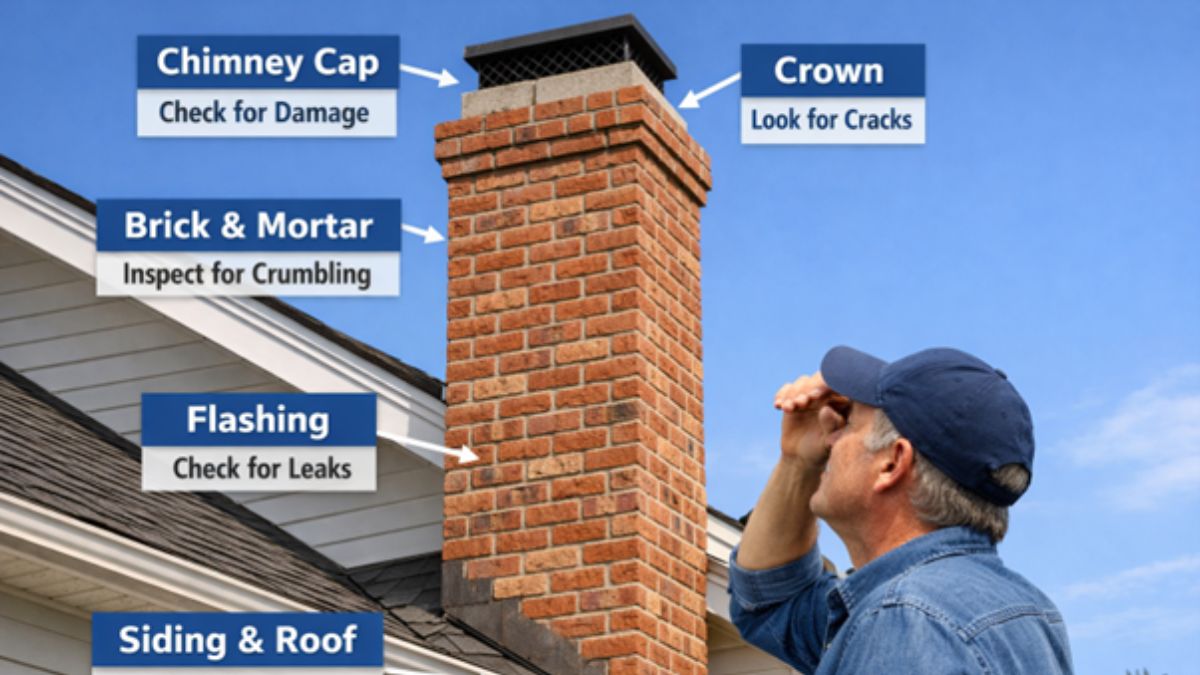
Start your inspection outdoors. Examine the chimney for any external damage, such as cracks, missing or loose bricks, or deteriorating mortar. These issues can compromise its structural soundness and allow water to seep in. Pay close attention to the condition of the chimney cap. An intact chimney cap is vital for keeping out rain, leaves, and pests. Additionally, check the flashing where the chimney meets the roof. Secure, watertight flashing helps prevent leaks that could cause major water damage inside your home.
It’s also wise to check that the masonry crown, the top surface of the chimney, is level and free of cracks. If the crown is damaged, water will easily penetrate ricks below, undermining the entire chimney structure. Vegetation growing near or on your chimney could indicate excessive moisture, and roots or vines could further damage the masonry. Make sure to trim back any plants and remove moss or algae buildup from the brickwork. Over time, even small cracks or mortar gaps on the exterior can widen due to freeze-thaw cycles, making annual checks particularly important in colder climates.
Interior Inspection
Move inside to check the fireplace and chimney from within. Inspect the firebox for any visible cracks, rust, or tiles that are out of place. Make sure the damper opens, closes, and seals well. A poorly sealed damper can let cold air in and allow heated air to escape. Look up inside the flue, using a flashlight or a mirror if necessary, and watch for cracked or deteriorating flue liners, which can expose your home to intense heat. Noticing these problems early helps avoid larger issues down the road.
Be sure to also check around the hearth for any evidence of discoloration or warping, which might suggest previous episodes of overheating or smoke escaping from the chimney. Soot stains or loose debris near the base of the fireplace can point to hidden obstructions or ventilation problems you’ll want to resolve quickly. If you detect unusual odors, especially a sharp, smoky, or musty smell, this could signal improperly vented gases or water infiltration into the system. Address these red flags promptly to reduce health risks and prevent further damage.
Creosote Buildup
Burning wood creates creosote, a tar-like substance that clings to chimney walls and is highly flammable. Over time, it can accumulate and significantly increase the risk of a chimney fire. If substantial buildup is visible, it’s time to contact a professional for a proper cleaning. According to the Chimney Safety Institute of America, homeowners should schedule annual inspections to keep creosote levels under control and maintain fire safety.
Creosote buildup can occur in several stages, starting as a flaky, soot-like material that can turn into a sticky or hardened, glassy deposit over repeated heating cycles. Even a thin layer of glaze is dangerous, as it can ignite at relatively low temperatures. Professionals use specific brushes or rotary cleaning equipment to tackle these stubborn deposits. Homeowners should avoid burning green or unseasoned wood, as it increases creosote production and deposition rates. Keeping your wood supply dry and properly seasoned is an additional preventative step for chimney safety.
Obstruction Check
Chimneys can easily become blocked by various obstructions, including animal nests, twigs, and leaves. These blockages restrict airflow, causing smoke to back up into your home or, worse, allowing carbon monoxide to escape into your living space. Install a high-quality chimney cap to prevent future obstructions and keep the system clear year-round. For additional chimney safety guidelines, you can also check the National Fire Protection Association’s recommendations.
Besides natural debris, older or infrequently used chimneys may also develop internal blockages caused by fallen bricks or broken liners. Birds, squirrels, or raccoons may seek warmth and shelter inside chimneys, creating nests that interfere with airflow. It’s best to check for any unusual noises, chirping, or bursts of debris, all of which can be signs of animal activity. If you spot or suspect a nest, do not attempt to remove wildlife yourself; contacting a professional ensures safe removal and prevents re-entry.
Moisture Inspection
Water infiltration can be one of the most damaging issues for chimneys. Check inside the firebox and around your chimney for any signs of moisture, including damp patches or a musty odor. Efflorescence, a distinctive white residue on exterior brick, is a warning sign that moisture is entering. Taking quick action at the first sign of water damage will help prevent costly repairs and preserve the structural integrity of your chimney system.
Additional symptoms of water damage include spalling brick (where the brick’s face flakes or peels away), rust forming on the damper or firebox components, and visible mold. It’s crucial to ensure gutters and downspouts near the chimney are clear and directing water away from the base of the structure. Sealants and waterproofing treatments are available, but they should be reapplied regularly to maintain their effectiveness. Vigilance against water remains an ongoing task for every responsible homeowner.
Professional Inspection
Even if you perform your own checks, nothing replaces a professional inspection. Certified chimney professionals have specialized tools and expertise, such as internal video cameras, to spot hidden or developing issues. The National Fire Protection Association recommends that homeowners have their chimneys inspected at least once each year, regardless of how often the fireplace is used. This comprehensive assessment helps protect your home and family.
Professionals may also offer suggestions to improve your fireplace’s efficiency and can perform advanced repairs if they discover structural weaknesses or ventilation problems. Their inspections often include a written report detailing their findings and recommended actions, providing valuable documentation for homeowners and future buyers. Scheduling professional visits before the start of the burning season ensures your chimney is ready to use when temperatures drop.
Post-Inspection Maintenance
Once your inspection is complete, act promptly on any problems you have found. Repairs may include fixing damaged masonry, replacing an old or missing chimney cap, or organizing a deep cleaning if creosote levels are high. Consistent maintenance extends your chimney’s lifespan and ensures your fireplace continues to perform safely and efficiently. For additional maintenance guidelines, consider the advice from Family Handyman’s maintenance guide.
Following this chimney inspection checklist helps you identify issues before they become costly and dangerous. Scheduling annual examinations and addressing repairs promptly not only safeguards your home but also provides peace of mind every time you enjoy your fireplace.
In addition, using a logbook or a maintenance calendar to track inspections, cleanings, and repairs is an effective way to stay organized. It provides a quick reference for your upkeep history and maintenance needs, especially useful if you hire different service professionals or plan to sell your home. Remember, chimneys play a crucial role in the safe, efficient operation of your heating system. Dedicating time to their care will reward you with warmth, safety, and comfort through every season.