
Key Takeaways
- Regular inspections and proactive repairs can mitigate hazardous chimney conditions.
- Chimney problems like creosote buildup, crown cracks, and masonry deterioration are common but addressable.
- Hiring professionals for repairs and annual check-ups is critical for long-term safety and optimal performance.
Maintaining a functional chimney is essential for both the safety and efficiency of your home’s heating system. Without proper upkeep, chimneys can develop issues that threaten both property and personal safety. Many homeowners are unaware of the risks until these issues lead to significant damage or a hazardous situation. To safeguard your home, understanding the most frequent chimney problems can help you spot warning signs early and take action before issues escalate. For additional expertise in chimney repair and preventative maintenance, visit this page.
Neglecting chimney maintenance can lead to higher energy costs, poor indoor air quality, and even the risk of fire. Recognizing the signs of common chimney ailments makes it easier to schedule timely repairs, protecting both your investment and those living in your home. This article covers the most prevalent chimney issues, how to recognize them, and how to address these concerns efficiently.
Creosote Buildup
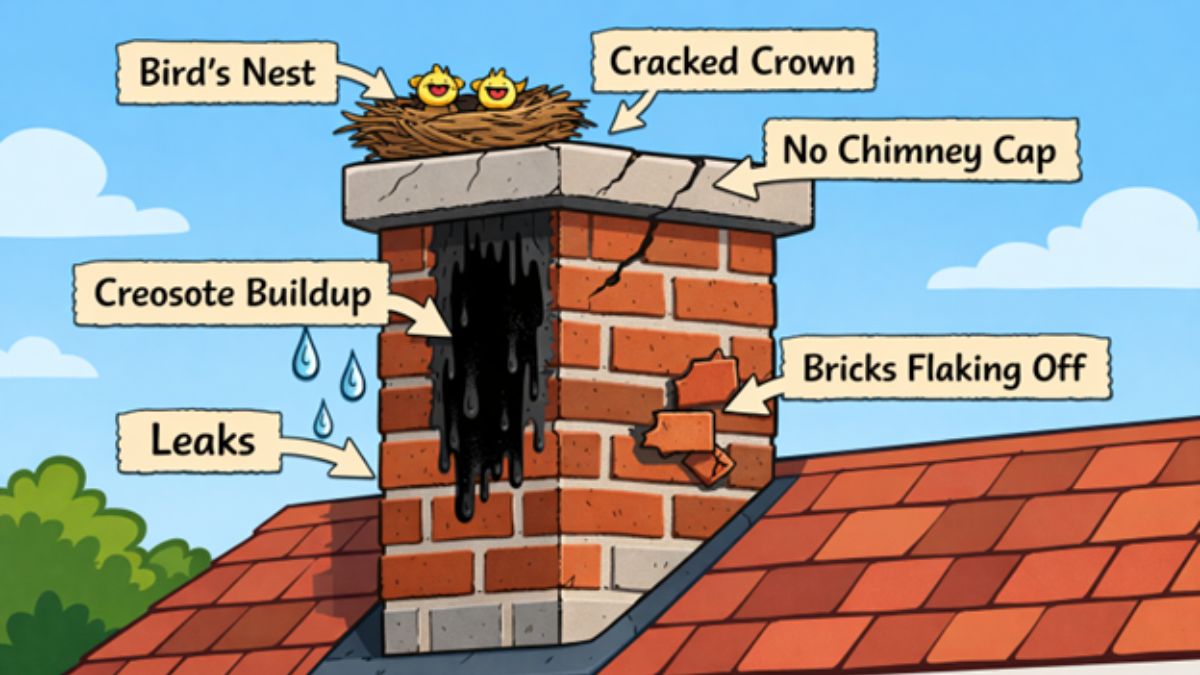
When wood is burned in your fireplace, creosote, a highly flammable byproduct, accumulates inside the chimney. As it builds, the risk of a chimney fire increases dramatically. The National Fire Protection Association recommends having your chimney professionally inspected and swept each year to minimize this danger. Symptoms of excessive creosote include reduced draft, strong chimney odors, and visible black deposits inside the flue. For a more in-depth discussion of creosote dangers, follow advice from trusted sources like the National Fire Protection Association.
Cracked or Deteriorated Chimney Crown
The chimney crown, sitting at the very top of your chimney, acts as the first line of defense against rain, snow, and debris. When cracks develop in the crown, water can seep inside and damage both the chimney and the interior structure beneath. Over time, these cracks enlarge, and the damage multiplies, often resulting in leaks and costly repairs. Checking the condition of the chimney crown, especially after harsh winters or storms, enables timely interventions to help prevent more extensive damage.
Damaged or Missing Chimney Cap
A chimney cap keeps out rain, debris, and animals, all of which can create blockages or internal moisture problems. Without a cap or with one that is cracked or loose, birds and small animals might nest inside, causing dangerous obstructions. A quality cap also acts as a spark guard, preventing embers from escaping onto your roof. Most modern chimney caps are inexpensive and easy to install, making them a smart investment for any homeowner concerned about long-term chimney health. For more detailed advice on wildlife prevention, see Family Handyman’s guide on animals in chimneys.
Flue Liner Damage
The flue liner is the protective channel through which smoke and toxic gases travel up and out of your home. Liners made of clay, ceramic, or metal can crack or erode over years of exposure to heat, improper burning of materials, or chimney fires. Damaged liners allow excessive heat to contact the masonry, increasing fire risks and potentially letting harmful gases, such as carbon monoxide, seep into living spaces. Annual professional inspections help identify damage early so liners can be repaired or replaced as needed.
Chimney Leaks
Water leaking into or around your chimney can cause a host of problems, including mold growth, stained walls and ceilings, and winter freeze damage. Most chimney leaks stem from faulty flashing where the chimney meets the roof, missing caps, or deteriorated crowns. Telltale signs include musty smells, peeling wallpaper near the fireplace, or visible moisture. Promptly stopping leaks preserves structural integrity and reduces long-term remediation expenses.
Masonry Deterioration
Bricks and mortar are constantly exposed to moisture, freezing and thawing cycles, and intense heat, all of which contribute to gradual deterioration. “Spalling,” or the flaking away of bricks, is a sign that water has penetrated the masonry. Left untreated, these problems can compromise your chimney’s stability. Tuckpointing, where unstable mortar is removed and replaced, is a common repair that can help maintain both appearance and safety for years to come.
Chimney Obstructions
Blockages from soot, animal nests, or debris can impair the chimney draft and create a dangerous backup of smoke and gases into your home. Obstructions are especially common in uncapped chimneys or in those that are not regularly cleaned. Signs of an obstruction include difficulty starting a fire, smoke spilling into the room, or a persistent smoky odor. Yearly cleaning eliminates these hazards and keeps your fireplace functioning reliably.
Conclusion
Routine maintenance and early intervention are key to preventing costly and dangerous chimney issues. Many common chimney problems, from creosote buildup to leaking and structural deterioration, can be avoided with regular care and professional attention. By addressing warning signs early and scheduling regular inspections, homeowners can enjoy a safe and efficient heating system all season long.