
Key Takeaways
- Integration of advanced driver-assistance systems (ADAS) in emergency vehicles enhances situational awareness and reduces collision risks.
- Artificial intelligence (AI) and drone technology are revolutionizing traffic incident detection and emergency response times.
- Cloud-based communication systems improve coordination and safety for first responders.
In today’s fast-paced world, the need for quick, reliable emergency response is more critical than ever. Ensuring the safety of emergency vehicles not only protects first responders but also safeguards the communities they serve. Recently, a wave of technological innovation has introduced new solutions that are enhancing the safety, efficiency, and communication capabilities of emergency vehicles. Companies like TCS Upfitting are at the forefront, providing advanced systems and retrofit options to help agencies keep pace with rapid advancements in vehicle technology.
With smart design and cutting-edge integration, these innovations do more than just prevent accidents; they reshape how responders navigate risks on the way to each emergency. From digital alerts that warn surrounding drivers to high-tech vision systems for low-visibility conditions, technology is strategically boosting the capabilities of law enforcement, fire, and medical fleets across the country.
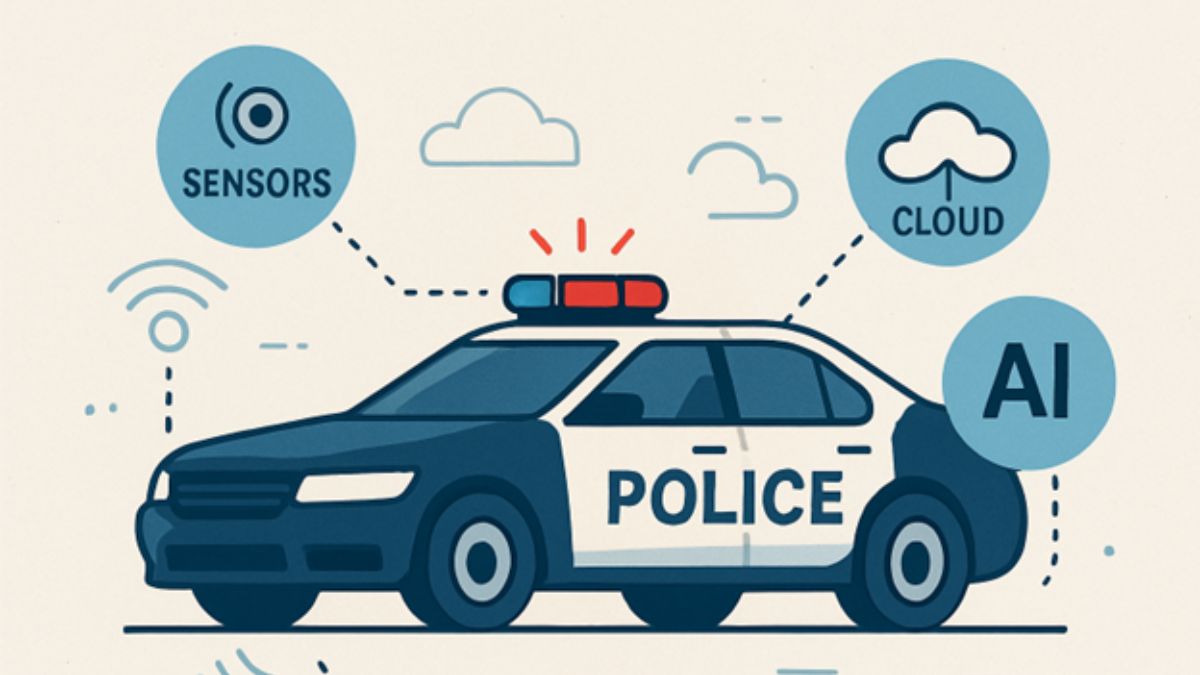
Modern emergency vehicles rely on sensors, cloud platforms, artificial intelligence, and a range of digital networking tools to enhance both safety and operational efficiency. As agencies seek comprehensive solutions, it is increasingly common for fleets to adopt a layered approach, using multiple integrated systems for maximum protection.
These new tools do not act in isolation. Each system complements the others within an interconnected ecosystem, sparking a dramatic change in how emergency vehicles respond to the ever-present challenges of dense urban centers and unpredictable road scenarios.
Advanced Driver-Assistance Systems
Advanced driver-assistance systems, or ADAS, are a collection of electronic technologies that support vehicle operators by automating or assisting with crucial driving tasks. Incorporating features such as adaptive cruise control, automatic emergency braking, blind-spot detection, and lane-departure warnings, these solutions substantially improve driver awareness and decision-making during emergencies. For first responders navigating at high speeds and through congested areas, ADAS minimizes the risk of collisions and protects not only emergency crews but also the general public.
AI and Drone Technology
Artificial intelligence and drone systems are dramatically reshaping the emergency response landscape. AI-driven platforms can rapidly analyze vast amounts of data to predict traffic patterns, identify potential hazards, and optimize routing. The DARTS program, one example of this transformation, employs AI-powered drones to detect traffic incidents in real time, enabling dispatchers to relay crucial information to emergency teams about road blockages or accident scenes. This capability reduces response time and clears traffic bottlenecks, ensuring that fire trucks, ambulances, and police vehicles reach their destinations safely and efficiently.
Cloud-Based Communication Systems
Seamless communication is critical for first responders, both for safety and coordination. Modern cloud-based communication platforms connect fleets, dispatchers, and even nearby civilian drivers, leveraging geolocation and IoT integration. Solutions from established vendors digitize vehicle alerts, pushing notifications to motorists via GPS navigation apps or built-in car infotainment panels. When an emergency vehicle approaches, alerts inform other drivers to yield, reducing the risk of collisions near incident scenes or at intersections. Additionally, dynamic geofencing tools automatically recalibrate vehicle lighting and siren systems based on real-time location, tailoring warning signals to specific traffic scenarios. This allows emergency crews to focus on their mission while the vehicle’s systems intelligently adapt to the environment.
Infrared Vision Systems
Nighttime operations and severe weather can reduce visibility for emergency vehicle operators, increasing the risk of accidents or missed hazards. Infrared, or thermal, vision systems enable drivers to detect people, vehicles, and obstacles in total darkness, fog, or smoke. These systems, originally developed for military use, now offer a cost-effective retrofit solution for municipal fleets. Research published by the RAND Corporation finds that such upgrades substantially improve operational safety, particularly in rural or low-light environments that are difficult to navigate with conventional headlights alone. With IR cameras and displays mounted inside the cab, operators can see otherwise hidden dangers, enabling more confident, rapid movement through hazardous zones.
Next Generation 911
The Next Generation 911 (NG911) initiative is transforming how emergencies are reported and managed. Unlike traditional 911 systemsthat are limited to voice calls, NG911 supports the transmission of text messages, photos, videos, and real-time GPS data to emergency call centers. This multidimensional communication enables dispatchers to relay richer, more actionable information to first responders before they arrive. By delivering live images or maps of the scene, NG911 improves preparedness and enables emergency vehicles to plan the safest and fastest approach. Cities and counties investing in NG911 solutions are seeing clear benefits, as their response teams gain a new level of situational awareness and adaptability.
Conclusion
Technology is rapidly transforming the emergency response sector. The integration of advanced driver-assistance systems, AI-enhanced drones, cloud-based communications, and infrared vision is collectively raising the standard of safety for today’s first responders. By adopting these innovations, agencies ensure their teams are better protected and their communities are safer. As advancements such as NG911 become widespread, the future promises even faster, smarter, and more effective emergency vehicle response, saving lives and reinforcing the critical partnership between responders and the public.