
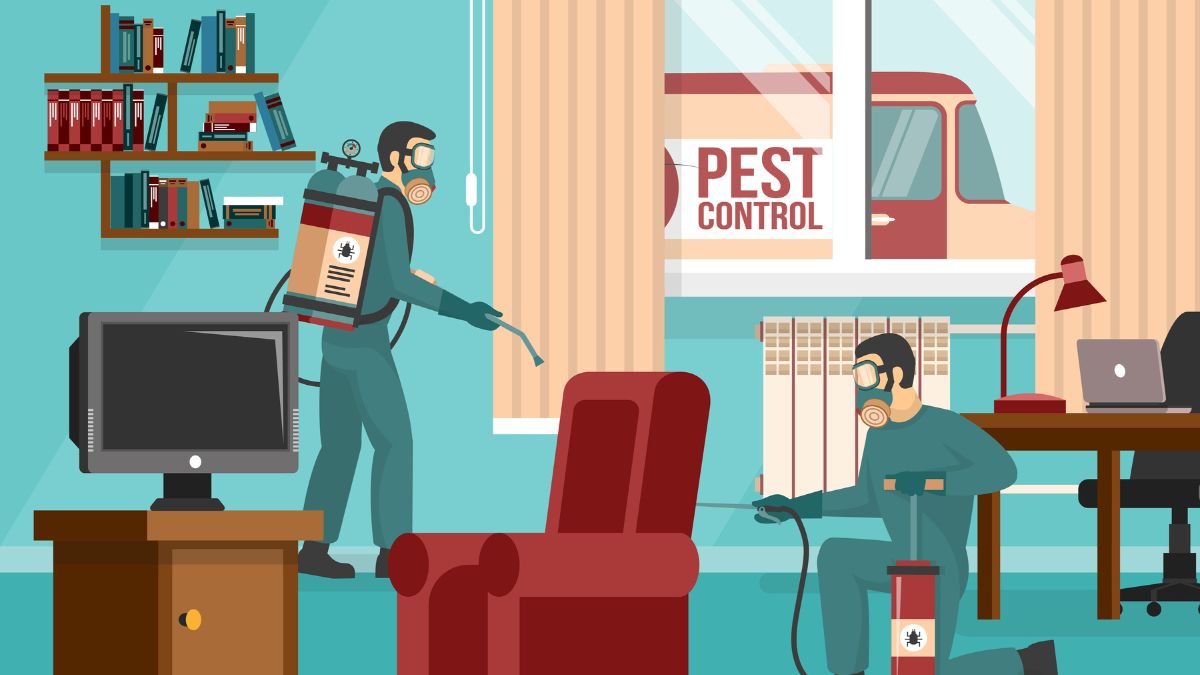
Rodent Control helps you stop rodents that invade quickly and quietly before they cause health risks, property damage, or ongoing headaches. Start by sealing entry points, removing food and water sources, and choosing the right traps or professional help for your situation.
This article lays out practical, step-by-step strategies for short-term rodent removal and long-term prevention, plus advanced options when routine measures fail. Follow the plan and you’ll regain control of your home and keep rodents from coming back.
Comprehensive Rodent Control Strategies
You will learn how to recognize the species, spot reliable signs of infestation, block access to buildings, and remove rodents safely using methods that reduce risk to people and pets.
Identifying Common Rodent Species
Know which species live near you so you can choose effective control. In North America, the most common house pests are the Norway rat (Rattus norvegicus), roof rat (Rattus rattus), and the house mouse (Mus musculus). Norway rats are stocky, 16–20 inches long including tail, brownish fur, and burrow near foundations. Roof rats are sleeker, 12–18 inches including tail, with a pointed nose and climb well. House mice are 2.5–4 inches long excluding tail, with small feet and large ears.
Match behavior to species when planning control. Norway rats favor ground-level food and burrows; roof rats prefer elevated hiding spots like attics; mice exploit tiny gaps and nest inside walls. Use species identification to pick traps, bait stations, and exclusion measures.
Signs of Rodent Infestation
Look for clear, repeatable indicators to confirm infestation quickly. Fresh droppings are dark, peanut-shaped (mice) or larger capsule-shaped (rats). Gnaw marks on wood, wiring, plastic, and food packaging appear as fresh, light-colored edges. Tracks or runways in dust and grease marks along baseboards show regular paths.
Listen and smell for additional evidence. Scratching or scurrying at night often indicates rodents active in walls or attics. A musky, ammonia-like odor in enclosed spaces suggests a heavier infestation. Inspect attics, crawl spaces, and behind appliances routinely; check within a 10–15 foot radius of suspected activity.
Prevention and Exclusion Methods
Deny rodents access and remove attractants to prevent infestations. Seal openings larger than 1/4 inch for mice and larger than 1/2 inch for rats using materials rodents cannot chew: 1/4–1/2 inch galvanized steel mesh, concrete, or sheet metal. Focus on gaps around pipes, vents, eaves, doors, and utility lines.
Manage food, water, and shelter to make your property unattractive. Store dry goods in metal or heavy plastic containers with tight lids. Keep compost and pet food secured; remove clutter, stacked wood, and dense groundcover within 3–5 feet of structures. Maintain gutters and grading to prevent standing water and soil erosion that create burrow sites.
Safe Rodent Removal Techniques
Choose removal methods that minimize risk to people, pets, and non-target wildlife. For small infestations, snap traps placed perpendicular to walls with baited trigger points work well; use multiple smaller traps for mice and larger snap or multi-catch traps for rats. Place traps in concealed, frequent-runway locations and check daily.
Use tamper-resistant bait stations for rodenticides only when necessary and follow label directions exactly. Avoid loose bait pellets where children or pets could access them. For large or persistent infestations, hire a licensed pest professional who uses integrated pest management (IPM): targeted trapping, exclusion, sanitation, and follow-up monitoring. When handling dead rodents, wear disposable gloves, place carcasses in sealed bags, and disinfect surfaces with a bleach solution (1 part bleach to 10 parts water).
Advanced Solutions for Long-Term Rodent Management
Focus on coordinated methods that reduce rodent entry, remove food and harborage, and maintain ongoing monitoring. Target structural weak points, landscape features, and professional programs to prevent reinfestation.
Integrated Pest Management for Rodents
Integrated Pest Management (IPM) combines targeted sanitation, structural exclusion, population reduction, and monitoring to keep rodents at unacceptable levels. You should start by eliminating food sources: store dry goods in sealed metal or thick plastic containers, remove pet food overnight, and clean up spilled birdseed or compost that attracts rodents.
Use exclusion to block entry points larger than 1/4 inch: seal gaps around pipes, vents, and foundation cracks with steel wool, caulk, or metal flashing. Trapping reduces active populations; place snap traps or multi-catch traps along runways, behind appliances, and near droppings. Rotate bait types to counter bait-shy rodents.
Monitor with tracking patches, chew cards, or motion-activated cameras to detect activity changes and measure control effectiveness. Record locations, dates, and trap results so you can adjust tactics. Favor non-toxic or targeted rodenticides only when necessary and follow label directions and local regulations to reduce secondary poisoning risks.
Environmental Modifications
Change your property so it no longer supports rodents. Trim vegetation so shrubs and tree branches are at least 18–24 inches from structures to remove cover and climbing routes. Keep firewood, lumber, and debris piles elevated and at least 20 feet from buildings.
Modify landscape details: use gravel or concrete near foundations instead of mulch, and install vertical metal flashing at ground level where rodents gnaw. For drainage, slope soil away from foundations and repair leaks; moist environments attract rodents and their insect prey. Inside buildings, keep attics and crawlspaces dry with ventilation, vapor barriers, and dehumidifiers when needed.
Implement consistent waste management: secure trash in rodent-proof bins with tight lids and remove bird feeders at night. These adjustments reduce food, shelter, and access in practical, measurable ways.
Professional Rodent Control Services
Hire licensed pest management professionals for persistent or large-scale infestations. Professionals conduct thorough inspections, identify entry points you may miss, and prepare a written plan that includes exclusion work, trapping, and monitoring schedules.
Ask for specific services: bait station placement maps, trap-check logs, and exclusion repair receipts. Prefer companies that offer non-toxic or integrated programs and that follow IPM principles. Confirm licensing, insurance, and references, and request warranty terms for exclusion and follow-up visits.
Expect follow-up inspections and adjustments; professionals use long-term monitoring devices and data to adapt strategies. This ongoing attention helps prevent recurrence and documents progress for landlords, property managers, or insurance requirements.