
Key Takeaways
- Integration of innovative technologies in personal protective equipment (PPE) enhances real-time monitoring and safety.
- Advancements in materials have led to lighter, more comfortable, and more durable work gear.
- Sustainability is becoming a focal point in the development of utility work gear.
In the fast-evolving utility sector, the emphasis on worker safety has never been greater, paralleled by a strong push for technological advancement. Today’s utility equipment is transforming, incorporating innovative materials and state-of-the-art technology. This approach not only safeguards utility workers but also enhances their efficiency on the job. Companies that prioritize the latest safety and technology standards, such as those featured at Divergentalliance.com, are at the forefront of implementing these innovations to benefit both employees and organizations.
The development of advanced personal protective equipment (PPE), the emergence of lighter yet stronger materials, and a growing focus on sustainability are redefining utility work gear. As regulatory requirements tighten and job-site hazards evolve, staying current with these innovations has become increasingly crucial to ensuring safe, effective operations in complex work environments.
Additionally, new high-visibility apparel and advanced communication tools help reduce accidents and miscommunication, while automation and robotics significantly lower human exposure to hazardous tasks. Paired with global initiatives promoting environmentally responsible manufacturing, today’s utility gear reflects not only improved functionality but also a shift toward sustainable, safety-conscious values.
Smart Technologies in PPE
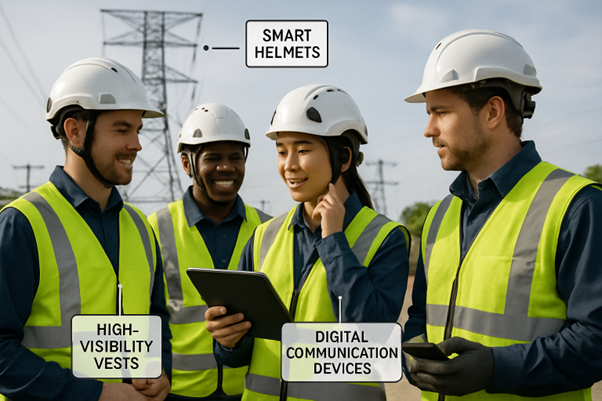
The rise of innovative technologies has redefined expectations for safety equipment across the utility industry. Wearable devices have become an integral part of personal gear, with smart helmets, sensor-embedded vests, and GPS trackers now monitoring worker health, movements, environmental conditions, and even hazardous exposures in real time. These devices instantly alert both workers and management to potential dangers, such as rapid temperature changes, the presence of toxic gases, or falls, enabling a swift, coordinated emergency response.
The data collected by these smart PPE items can also be compiled and analyzed to identify patterns, proactively address safety concerns, and reduce the likelihood of accidents on-site. The ability to monitor and respond to hazards in real time is revolutionizing site safety, reducing workplace injuries, and providing utility managers with actionable insights into workforce wellbeing.
Advancements in Materials
New advances in material science have dramatically improved the performance and comfort of utility work gear. Incorporating aramid fibers like Nomex and Kevlar into fabrics provides strong resistance to heat, flames, and punctures—without adding significant bulk or limiting movement. Helmets, boots, and gloves also benefit from upgrades: carbon fiber is used to construct lighter, more impact-resistant head protection, reducing worker fatigue and enhancing long-term safety.
Breathable, moisture-wicking textiles not only keep workers dry and comfortable in extreme conditions but also help to prevent heat stress and skin irritation, which are common issues in the field. The trend towards multi-functional, ergonomic gear means less downtime and higher productivity, as workers are protected and at ease throughout their shifts.
Sustainability in Work Gear
With environmental responsibility at the forefront of industrial innovation, the utility sector is embracing greener approaches to manufacturing and product use. Many manufacturers now employ recycled plastics, biodegradable materials, and less resource-intensive processes to create helmets, goggles, and other safety essentials. These sustainable practices reduce landfill waste and conserve raw materials, thereby reducing the overall carbon footprint of utility operations.
By choosing work gear designed with the environment in mind, utility companies demonstrate a commitment not only to the safety of their workforce but also to the well-being of their communities and the planet. Industry reports highlight how these green initiatives are helping set new benchmarks for responsible manufacturing.
Enhanced Visibility and Communication
High-visibility (hi-vis) workwear plays a pivotal role in preventing accidents, especially in settings with moving vehicles or equipment. Innovations such as prismatic reflective strips offer superior visibility from greater distances and across wider angles. At the same time, LED-integrated garments light up workers in the darkest environments, dramatically reducing the risk of accidental injury. Choosing comfortable, well-designed hi-vis clothing is equally important, as it ensures workers remain protected without sacrificing mobility or endurance.
Smart vests equipped with location and movement sensors provide real-time geofencing notifications and instant alerts when a worker enters a dangerous area or fails to move for a specified period. Enhanced communication and tracking capabilities allow supervisors to maintain constant oversight, improving response times and keeping crews connected, even over expansive or remote worksites.
Automation and Robotics
The use of robotics and automation in utility work is decreasing human exposure to the most dangerous aspects of the job. Drones equipped with cameras and environmental sensors streamline inspection of high-voltage power lines, tall towers, and confined infrastructure, where manual checks would be hazardous or inefficient. Robotic process automation (RPA) is also increasingly used to handle repetitive manual tasks, including heavy lifting and manipulation of hazardous materials, boosting both safety and operational efficiency.
With continued investment in these advanced solutions, the industry is poised to see even greater improvements in workplace safety metrics and operational excellence in the years ahead.
Conclusion
The utility sector’s ongoing commitment to integrating safety and innovation is clearly visible in the evolution of modern work gear. By leveraging innovative technologies, advanced materials, environmentally responsible practices, high-visibility solutions, and automation, companies can better protect their workers while setting new standards for efficiency and sustainability. Staying well-informed about these trends gives utility professionals a critical advantage as they work to foster safer, more resilient operations into the future.