
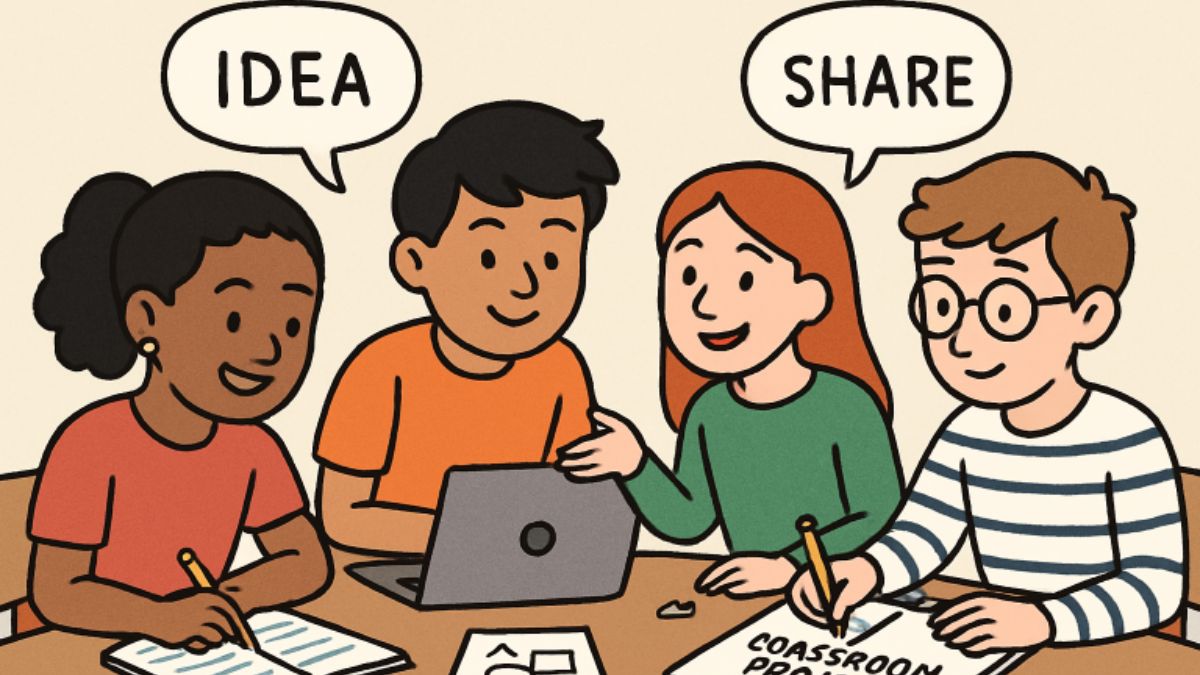
Creating an engaging and dynamic classroom environment is vital for student success. Collaborative teaching techniques not only foster stronger student participation but also deepen comprehension by encouraging active learning. Educators seeking innovative ways to boost student engagement should consider a range of strategies that cater to different learning styles and classroom dynamics. For more in-depth ideas and resources, explore https://studentreasures.com/blog/classroom-teaching-strategies/ to supplement your approach.
Implementing methods such as hands-on group activities, reciprocal teaching, and technology-facilitated collaboration can considerably improve both student interaction and academic outcomes. These approaches also help students build critical soft skills such as communication, teamwork, and leadership. When students help teach and learn from one another, they are empowered to take ownership of their education, while teachers facilitate a more active, student-centered learning environment.
Robust collaborative strategies appeal to diverse learners and can be adapted for any subject or grade level. Whether in-person or virtual settings, these tactics contribute to a classroom culture where ideas are shared openly, mistakes become valuable learning opportunities, and students support one another’s progress. By shifting the focus from passive reception to active collaboration, learning becomes a more meaningful and lasting experience.
As today’s classrooms continue to evolve, collaborative teaching empowers students to become active partners in the learning journey, resulting in greater engagement, improved knowledge retention, and better academic performance. Integrating well-researched strategies ensures that collaboration thrives and every learner has the chance to shine.
Think-Pair-Share
The Think-Pair-Share strategy is a simple yet effective way to ensure every student has a voice. Teachers pose a question or scenario, and students are first given time to think about their response independently. Then, they pair up to discuss their ideas with a partner before sharing their collective insights with the full class. This approach builds confidence among quieter students and fosters deep engagement among all participants.
Jigsaw Method
The Jigsaw Method divides students into “home groups” and “expert groups.” Each student joins an expert group to master a specific segment of the broader topic. Afterward, students return to their home groups to teach their segment to their peers, ensuring everyone gets a comprehensive understanding of the material. This structure promotes accountability and collaboration, with the success of each group relying on the active participation of all members.
Gallery Walk
Through the Gallery Walk technique, students create posters or visual displays to represent concepts or findings. These are posted around the classroom, allowing peers to “walk” through the gallery, observe each other’s work, and leave feedback or ask questions. This hands-on activity encourages not only creativity but also peer-to-peer evaluation and richer classroom discussions. As an added benefit, it provides multiple opportunities for movement, benefiting kinesthetic learners.
Co-Teaching
Co-Teaching partners two educators in a shared classroom space, allowing them to plan, instruct, and assess student progress collaboratively. This model incorporates diverse perspectives and expertise into the lesson, provides more individualized attention, and facilitates differentiated instruction. When implemented well, co-teaching also models positive collaboration skills for students, fostering a strong sense of community.
Computer-Supported Collaborative Learning
Technology can enhance collaboration through Computer-Supported Collaborative Learning (CSCL), which incorporates online tools, discussion boards, cloud-based documents, and educational platforms to facilitate effective collaboration. Students can work in real time or asynchronously with classmates to solve problems, share research, or co-create presentations. Implementing CSCL also helps students build digital literacy skills essential for future academic and career success.
Flipped Classroom
The Flipped Classroom model reimagines when and where direct instruction happens. Students absorb lesson content—such as video lectures or reading assignments—before class at home. Classroom time is then reserved for tackling projects and activities in groups, allowing the teacher to circulate, facilitate group work, and offer targeted assistance. This approach makes learning more interactive and student-centered while offering flexibility for review and enrichment.
Project-Based Learning
Project-Based Learning (PBL) deepens engagement by challenging students to investigate real-world problems over an extended period. Working collaboratively, students plan, research, and create projects that culminate in presentations or tangible outcomes. PBL not only reinforces subject knowledge but also hones essential skills, such as research, problem-solving, collaboration, and communication. Educators and students alike recognize the transformative potential of this approach for making learning authentic and relevant.
Final Thoughts
Collaborative teaching techniques—ranging from Think-Pair-Share and Gallery Walks to technology-rich CSCL strategies—help students move beyond passive learning. They amplify student voices, improve retention, foster critical thinking, and cultivate a strong sense of belonging in the classroom. By weaving collaborative methods into daily practice, teachers set the foundation for a lifelong love of learning and pave the way for student success in an ever-changing world.