
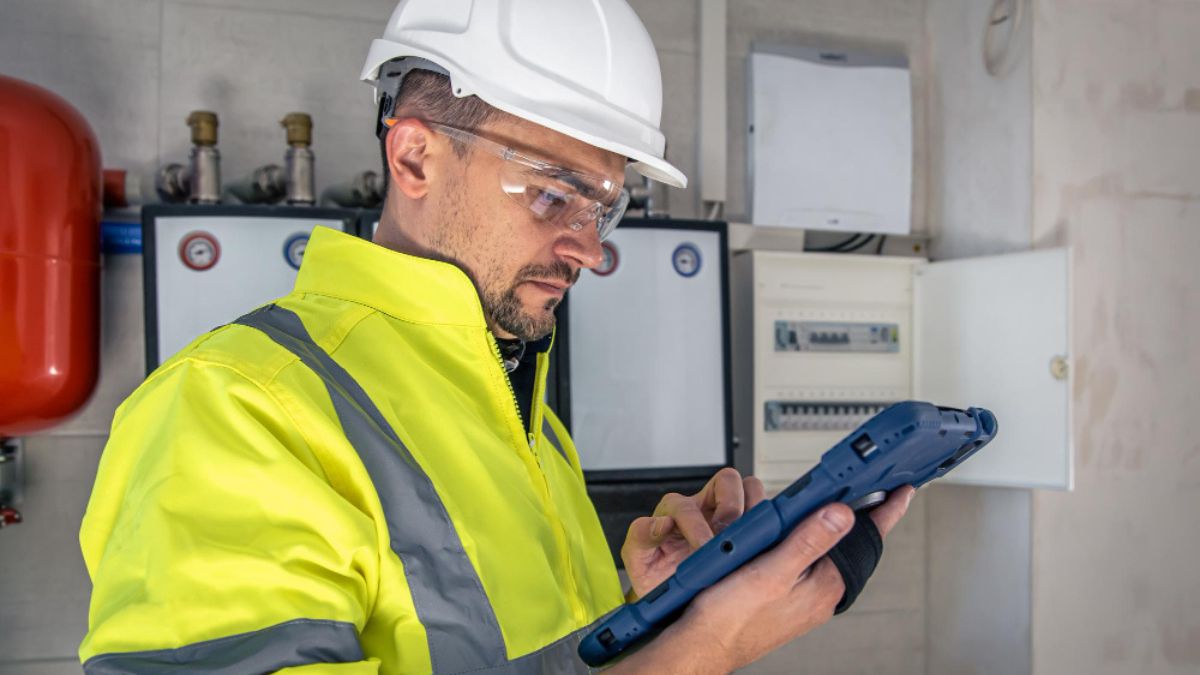
Heating and cooling systems rarely fail in obvious, straightforward ways. A room that will not cool, a furnace that cycles too often, or a sudden spike in energy use can come from multiple causes that look similar on the surface. Diagnostic testing is the process that turns symptoms into evidence, allowing HVAC contractors to identify what is actually happening inside the system. Instead of relying on guesswork or replacing parts based on assumptions, testing measures airflow, electrical performance, refrigerant behavior, combustion safety, and control responses. That data protects homeowners from unnecessary costs and prevents recurring problems caused by treating the wrong cause. Diagnostic testing also helps systems run more steadily by catching small imbalances early, which supports comfort, efficiency, and longer equipment life.
Evidence-based service that prevents repeat issues
Turning Symptoms Into Clear System Data
Diagnostic testing begins by translating comfort complaints into measurable conditions. If a home feels uneven, contractors test temperature splits across the coil, measure airflow at key registers, and check static pressure to see whether air is moving correctly through the duct system. When a system runs constantly, they evaluate thermostat accuracy, sensor placement, and runtime patterns to determine whether cycling behavior matches the load. Electrical testing adds another layer, confirming whether voltage, amperage, and capacitor performance fall within safe ranges. These measurements matter because two systems can show the same symptom for very different reasons. A warm room might be caused by duct leakage, a failing blower motor, or a refrigerant issue, and the right fix depends on which one is proven. In many calls that begin as heating complaints, contractors use the same evidence-based approach before deciding whether furnace repair service is needed, reducing the risk of replacing components that are still operating normally. Testing creates clarity, and clarity leads to targeted repairs.
Protecting Equipment From Hidden Strain
HVAC systems can operate while quietly accumulating stress that shortens their service life. Diagnostic testing reveals hidden strain before it turns into a breakdown. High static pressure, for example, may indicate restricted ducts, dirty coils, or poor filter fit, all of which force the blower to work harder than intended. Electrical tests can identify overheating connections, weak capacitors, or motors drawing excessive current, which often appear long before a system stops running. Refrigerant diagnostics can detect undercharge, overcharge, or improper superheat and subcooling, conditions that increase compressor load and reduce performance. Even if a system still produces heating or cooling, operating under strain increases energy use and wears down internal parts. Testing allows contractors to correct the root causes of that strain, keeping the system within safer operating ranges and reducing the risk of sudden failure during peak season.
Safety Checks That Go Beyond Comfort
Diagnostic testing is not only about comfort and efficiency; it also addresses safety risks that are easy to miss without proper measurement. Heating systems require attention to combustion performance, venting, and heat exchanger integrity, as failures in these areas can create dangerous conditions. Contractors use testing to confirm that flame behavior is stable, that exhaust gases are venting correctly, and that safety controls respond as intended. Carbon monoxide risks, backdrafting potential, and ignition issues are not reliably identified solely by appearance, especially in enclosed mechanical spaces. Electrical safety matters as well, since loose connections and failing components can overheat and damage wiring. When diagnostic testing is part of regular service, it reduces the risk of operating a system with a hidden hazard. This matters most in extreme weather, when systems run longer, and any existing safety issue can become more serious. Testing adds a layer of protection that routine visual checks cannot provide.
Efficiency Gains Through Precise Adjustments
Energy waste often comes from small misalignments that are difficult to spot without diagnostic tools. Diagnostic testing helps contractors fine-tune system performance by identifying where efficiency is being lost. Airflow testing may reveal that a system is delivering less air than designed due to dirty coils or restrictive duct transitions. Thermostat and control testing can show short cycling caused by sensor placement or incorrect configuration. Refrigerant measurements can confirm whether the system is operating at the correct charge level, which affects cooling output and compressor workload. When contractors have these numbers, they can make precise adjustments rather than broad changes. Efficiency improvements may come from cleaning, recalibrating controls, sealing duct leaks, or correcting refrigerant conditions, all based on tested results. The value is not only lower utility bills but also steadier temperatures and less runtime stress. Testing ensures that efficient work is grounded in real system behavior rather than assumptions.
Avoiding Repeat Repairs and Unnecessary Replacements
One of the most practical reasons diagnostic testing matters is that it reduces repeat visits and prevents part-swapping that does not solve the underlying problem. HVAC symptoms can overlap, and without testing, it is easy to replace a component that appears linked to the issue while the real cause remains untouched. A system that freezes, for instance, might prompt a quick assumption about the refrigerant, but airflow restrictions or blower issues could be the true driver. A furnace that shuts down could be blamed on ignition parts, but venting problems or sensor issues might be the root cause. Diagnostic testing isolates causes so repairs address what is actually failing. This approach saves time, reduces labor costs, and builds a more reliable repair outcome. It also helps homeowners make better decisions when replacement is being considered, because they can base that decision on performance evidence rather than frustration from repeated breakdowns.
The Long-Term Value of Routine Testing
Diagnostic testing delivers the most value when it is part of routine maintenance rather than something done only after a failure. Regular testing establishes performance baselines, making it easier to notice gradual shifts that signal aging components or developing restrictions. When contractors compare current readings to past values, they can identify trends like rising static pressure, declining temperature splits, or changes in motor load. Addressing these trends early often prevents breakdowns during the most demanding seasons. Routine testing also improves planning, since homeowners can anticipate repairs and budget for them rather than dealing with emergency calls. Over time, this approach supports system longevity, steadier comfort, and more predictable operating costs. Testing transforms HVAC service from reactive problem-solving to proactive system management, especially useful for households and buildings where reliability matters daily.
Why Diagnostics Should Be the Standard
Diagnostic testing is the foundation of reliable HVAC service because it turns symptoms into proof. It protects equipment from hidden strain, improves safety, and makes repairs more accurate. It also helps reduce repeat issues by ensuring the true cause is addressed instead of swapping parts based on guesswork. When used routinely, diagnostic testing supports efficiency and equipment longevity while providing homeowners with clearer insight into system health. A heating and cooling system is too important to maintain through assumptions alone. Testing provides the measurements that make service decisions smarter, outcomes more dependable, and comfort more consistent across the seasons.