
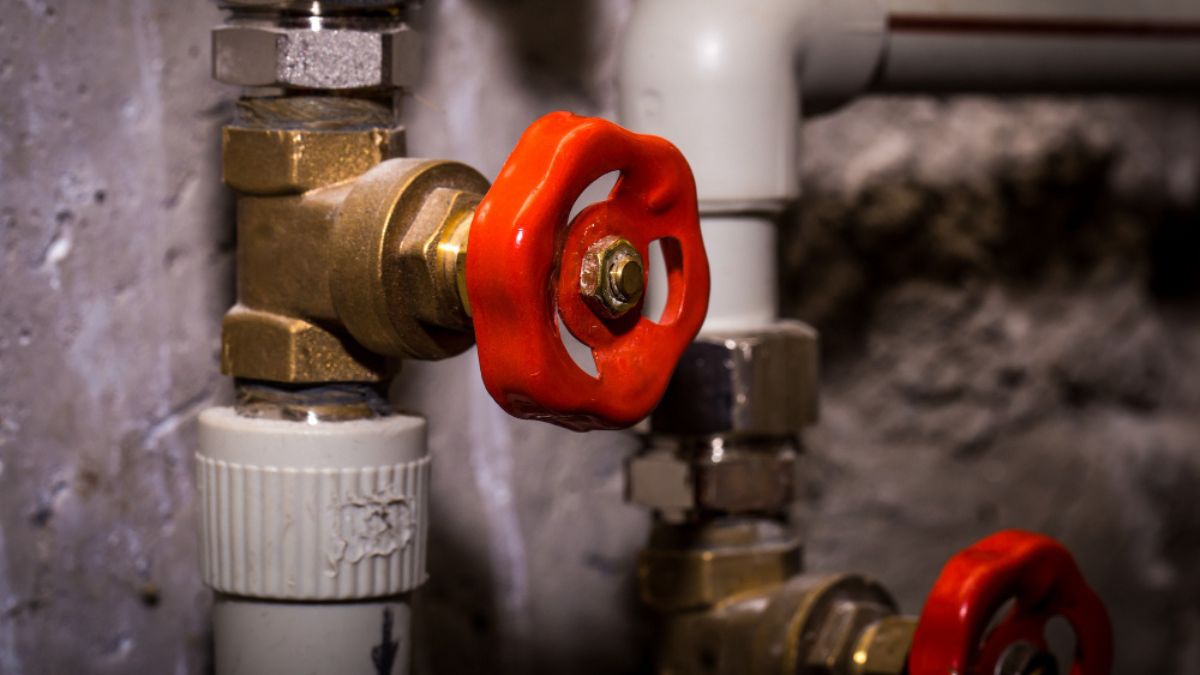
Plumbing pipes do not stay completely still throughout the year, even when they are firmly installed behind walls, beneath floors, or above ceilings. As seasonal temperatures rise and fall, the materials used in residential plumbing expand and contract. This movement is usually slight, but over time it affects noise, joint stress, support stability, and the system’s long-term condition. Homeowners often notice the effects as ticking sounds, brief creaks, or shifts in pipe behavior during very hot or very cold weather. These changes are not always signs of immediate failure, but they do reflect physical movement that plumbers take seriously when evaluating durability. Seasonal temperature change affects plumbing more than many people realize.
What Seasonal Movement Means
- How Temperature Changes Affect Pipe Materials
Different pipe materials respond to temperature shifts in different ways, which is why seasonal expansion and contraction do not look the same in every plumbing system. Copper, PEX, CPVC, and other piping materials each have their own rate of movement as temperatures change. In winter, colder surrounding air can cause pipes in unconditioned spaces to contract slightly, while warmer water moving through them may cause a return expansion from the inside. During hotter seasons, attic heat, wall cavity temperatures, and sun-warmed sections of the structure can increase pipe temperature even before any water begins to flow. This repeated cycle of movement becomes more noticeable in long straight runs, tight framing penetrations, and areas where the pipe has little room to shift. A homeowner calling a trusted Papillion Plumber for fast repairs may describe clicking or tapping in the walls, not realizing that these sounds can come from seasonal material movement rather than from a leak itself. The movement is physical, predictable, and tied directly to how plumbing materials respond to changes in the surrounding and intertemperatures throughout the year.
- Why Supports and Fasteners Matter
The effects of expansion and contraction depend not only on the pipe material but also on how the pipe is supported. Plumbing needs enough restraint to remain secure, and it adds enough flexibility to allow slight movement without causing excessive stress. If supports are too tight, seasonal expansion may force the pipe to rub against framing, straps, or sleeves, producing noise and concentrated wear over time. If support spacing is poor, the line may sag, shift, or place excessive stress on fittings as temperature conditions change. This is especially important with materials that move more noticeably over long distances. Fasteners, hangers, and isolation methods all play a part in controlling how the pipe reacts. A system that is well supported but not overly constrained usually handles seasonal change more quietly and with less strain on connections. Problems often develop when pipe runs are installed with no allowance for movement through joists, studs, or mounting points. In those cases, the structure resists the natural change in pipe length, and as a result, that resistance may gradually affect joints, brackets, or nearby building materials.
- Hot Water Lines Experience Greater Stress
Hot water piping often shows the clearest expansion and contraction effects because it experiences more dramatic temperature swings during normal household use. A cold pipe may sit idle for hours, then suddenly receive a rush of heated water that raises its internal temperature quickly. That rapid change causes the pipe to lengthen slightly, and when the water cools after use, the pipe contracts again. Over time, this repeated movement can produce audible snapping or ticking sounds, especially where the pipe passes tightly through wood framing or rests against a rigid support. The effect can be more noticeable in colder months because the contrast between the idle pipe temperature and the hot water temperature is greater. Seasonal conditions, therefore, amplify a movement pattern that already occurs daily. While the movement itself is normal, the plumbing system must be installed to anticipate it. Without proper allowances, the repeated stress can influence fittings, soldered joints, and transition points where different materials meet. Hot water distribution systems are often where this seasonal behavior becomes most apparent inside a home.
- Cold Weather Adds Structural Risk
Seasonal contraction becomes more serious when colder weather lowers the pipe temperature and poorly insulated areas are exposed to outdoor conditions. In these situations, the issue is not only that the pipe shrinks slightly, but that the plumbing material may become more vulnerable while under stress. A pipe that contracts in a tight space may pull against joints or fittings, and if freezing conditions develop, the risk grows substantially. Expansion of water from freezing is a different process from normal thermal expansion. Still, the two can be connected when seasonal cold creates both contraction stress and the possibility of ice formation. Even before freezing occurs, colder temperatures can reveal weak points at connections that were already under pressure from repeated seasonal motion. That is why plumbers often evaluate exposed lines in crawlspaces, basements, garages, and exterior walls with both movement and winter protection in mind. Seasonal pipe behavior is not only about sound or comfort. In some installations, it becomes part of a longer pattern of stress that can affect reliability if insulation, support, and routing were not planned carefully enough from the start.
Movement Is Normal, Stress Is Not
Plumbing pipe expansion and contraction are natural responses to seasonal temperature changes, and every residential system experiences them to some degree. What matters is how well the system is built to accommodate that movement. Pipe materials change length as temperatures shift, and influence how that movement is controlled, and hot water lines often show the effect most clearly. Cold weather increases risk when contraction occurs alongside poor insulation or exposed installation conditions. Over time, repeated seasonal motion can affect noise levels, support points, and joint durability if the plumbing system has no room to adjust. When installed thoughtfully, pipes can move within safe limits without causing damage. That is why seasonal plumbing performance depends not only on the material itself, but also on how the entire system was planned, secured, and protected throughout the home.