
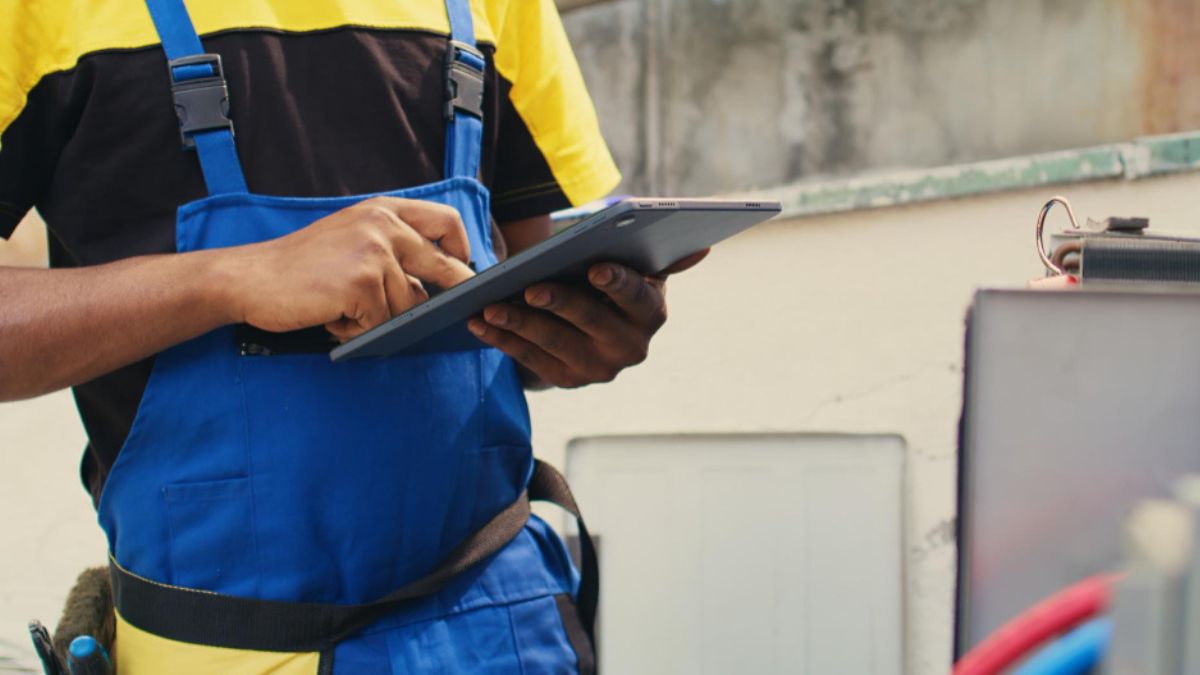
Extreme weather has a way of exposing every weak point in an HVAC system. During heat waves, air conditioners run longer, humidity rises, and electrical loads climb. During cold snaps, furnaces and heat pumps cycle harder, vents face stronger drafts, and minor airflow restrictions can lead to repeated shutdowns. Homeowners often discover reliability problems at the worst time, when technicians are booked, and parts are harder to source quickly. HVAC contractors improve reliability by preparing systems for stress, correcting hidden performance issues before they escalate, and tuning the equipment to operate within safe limits even when outdoor conditions are harsh. The goal is not just comfort, but steady operation that holds up through the days when failure has the biggest consequences.
Making HVAC stronger under pressure
- Pre-Season Inspections That Prevent Peak-Season Breakdowns
Contractors often focus on reliability before extreme weather arrives, because preventive checks are far more effective than emergency fixes. They inspect electrical connections, contactors, capacitors, blower motors, and safety controls that are most likely to fail under heavy runtime. They also check filters, coils, and condensate drains, since airflow restrictions and drainage issues can cause system stress that worsens in humid heat or icy conditions. In colder regions, an HVAC contractor in Barrie, ON may emphasize combustion and venting checks before winter, as strong winds and freezing temperatures can amplify venting issues and trigger safety shutdowns. Pre-season visits also include verifying thermostat function and confirming the system responds correctly to heating and cooling calls without short cycling. When these checks are done early, reliability improves because the system enters extreme weather already tuned and is less likely to trip on small failures.
- Airflow Corrections That Reduce System Strain
Airflow is a major driver of reliability because the HVAC system depends on moving the right amount of air to transfer heat safely. When airflow is too low, air conditioners can freeze coils, and furnaces can overheat and trip limits. When airflow is too high, dehumidification can suffer, and comfort becomes unstable, which can lead homeowners to push the thermostat harder and increase runtime. Contractors measure static pressure, confirm blower settings, and inspect ducts for restrictions, crushed flex sections, or leaks that waste conditioned air. They also check return pathways, because poor returns raise static pressure and strain blower motors. During extreme weather, these airflow problems get worse because systems run longer and have less downtime to recover. By correcting airflow issues, contractors reduce mechanical stress, improve temperature delivery, and prevent many of the shutdowns that occur during peak demand.
- Electrical and Component Hardening for Heat Waves
Heat waves stress electrical components because outdoor units operate in higher ambient temperatures while cycling frequently and drawing more current. Contractors improve reliability by inspecting contactors for pitting, checking capacitors for weak readings, tightening electrical lugs, and verifying that wiring insulation is not brittle or damaged. They also examine condenser coils for dirt buildup, which can increase head pressure and overload the compressor during extreme heat. A simple coil cleaning and proper clearance around the unit can improve heat rejection and reduce strain. Contractors may also check refrigerant charge and system pressures to confirm the AC is operating within safe ranges. In heat waves, even small charge issues can amplify compressor stress. Electrical hardening is less about adding new parts and more about ensuring the system’s existing components can handle high-load operation without overheating, arcing, or failing unexpectedly.
- Winter Reliability: Combustion, Venting, and Safety Controls
Extreme cold challenges heating systems differently, especially gas furnaces and boilers, where combustion safety is critical. Contractors inspect burners, ignition components, flame sensors, and gas pressure settings to reduce the risk of lockouts on the coldest nights. They also verify venting integrity and check for blockages, since snow, ice, or debris can restrict exhaust pathways and trigger safety switches. For high-efficiency furnaces, condensate lines and traps can become a reliability issue in freezing conditions, so contractors ensure proper drainage, slope, and protection against freezing where needed. For heat pumps, contractors evaluate defrost operation and confirm the system transitions smoothly between heating, defrost, and auxiliary heat modes. Winter reliability is often about preventing nuisance shutdowns caused by safety sensors responding to conditions that could have been corrected in advance.
- Protecting Comfort With Load Management and Smart Controls
Reliability is not only mechanical; it also depends on how the system is operated during extreme weather. Contractors help homeowners set control strategies that reduce stress, such as avoiding aggressive thermostat setbacks that force the system to run at full output for long recovery periods. They calibrate thermostats, verify sensor accuracy, and adjust staging behavior so multi-stage or variable-speed systems ramp smoothly rather than constantly cycling. In some homes, contractors recommend zoning adjustments or airflow balancing to reduce the tendency for one area to overheat or overcool, which can cause the system to run longer than necessary. They also advise on filter choices, because overly restrictive filters can reduce airflow and stress the blower during peak seasons. Smart controls and sensible operating guidance can improve reliability by keeping the system in a stable operating pattern, even when outdoor conditions are extreme.
- Building Envelope Checks That Support HVAC Performance
Extreme weather reliability improves when the home itself is not fighting the system. Contractors often identify building envelope issues that increase HVAC load, such as attic insulation gaps, leaky ductwork in unconditioned spaces, or drafts around windows and doors. While these issues may sound like general home improvement concerns, they directly affect HVAC reliability because higher loads push equipment to run longer and hotter. Contractors may recommend sealing duct leaks, adding insulation where it is missing, or improving return air pathways that rely on leaky building cavities. During heat waves, sun-facing rooms may gain more heat than the system can comfortably offset without long runtimes, while in winter, poorly insulated areas can create persistent cold spots that lead homeowners to raise setpoints and increase strain on the system. When the building envelope supports the HVAC system, the equipment operates under less stress, improving reliability during the harshest weather.
- A Short Reminder About Extreme-Weather Readiness
Reliable HVAC in extreme weather is usually the result of small issues addressed early. Clean coils, correct airflow, stable electrical connections, and tuned controls reduce the chances of shutdowns when demand is highest. Winter requires safe combustion and clear venting, while summer requires efficient heat rejection and healthy electrical components. When a system is prepared, it can run longer without drifting into unsafe or inefficient ranges.
Reliability Comes From Preparation and Tuning
HVAC contractors improve reliability during extreme weather by preparing systems for heavy demand and reducing the stresses that cause failures. Pre-season inspections catch weak electrical parts and safety issues before peak demand hits. Airflow corrections prevent freezing, overheating, and blower strain, while component checks help systems tolerate heat waves and cold snaps without lockouts. Winter reliability depends on combustion, venting, and condensate management, while summer reliability depends on coil condition, refrigerant performance, and electrical stability. Contractors also improve reliability by tuning controls and advising on operating habits that keep the system stable under pressure. When these steps are handled proactively, homeowners get a system that stays running when the weather is at its harshest and comfort matters most.